Romani Children in Special Needs Schools - Can the Czech Republic Avoid Sanctions for Segregation?
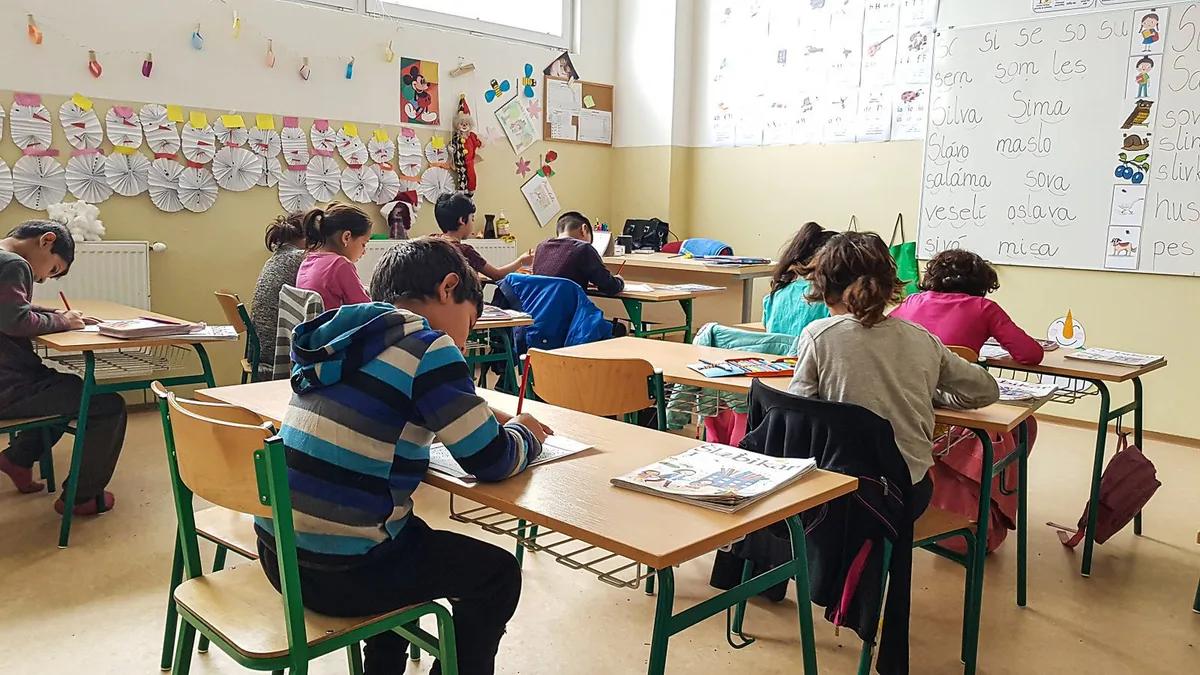
In June 2026, the Committee of Ministers examined whether the Czech Republic had addressed discrimination against Romani children in education.
They concluded that while measures have been implemented, the issue persists, and they pressured the country to treat it more seriously.
This examination follows a ruling by the European Court of Human Rights (ECHR) from 2007, in which it determined that Romani children in the Czech Republic face discrimination when it comes to their rights to education based on their higher likelihood of being assigned to special primary schools without having any mental or other disabilities.
Given the nature of the offence and the lack of progress, the Czech Republic could face sanctions of hundreds of millions of euros. This estimate is based on similar offences the court has judged.
The Committee of Ministers has requested a new action plan for ending the systemic ethnic segregation of Romani pupils in the Czech education system by the end of October 2026.
However, whether the government will turn this plan into meaningful change remains uncertain, given the composition of the current ruling coalition and prevailing public attitudes towards Romani people.
Before we look into this, it is important to examine the country's complicated history with its Romani population, to understand where these discriminatory practices and attitudes come from.
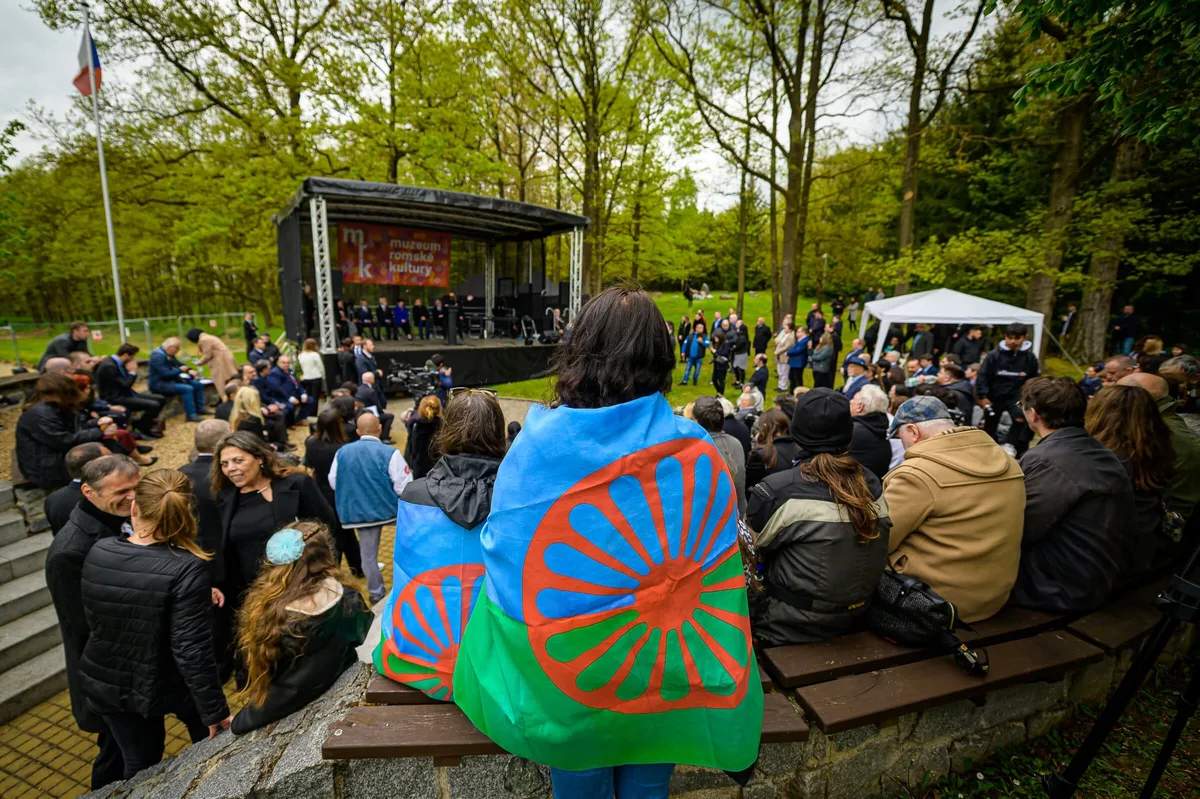
During the German occupation, the Czech Protectorate Government established concentration camps, such as Lety u Písku, where around 1300 Roma and Sinti people, including women and children, were held, and later 500 were transported to extermination camps.
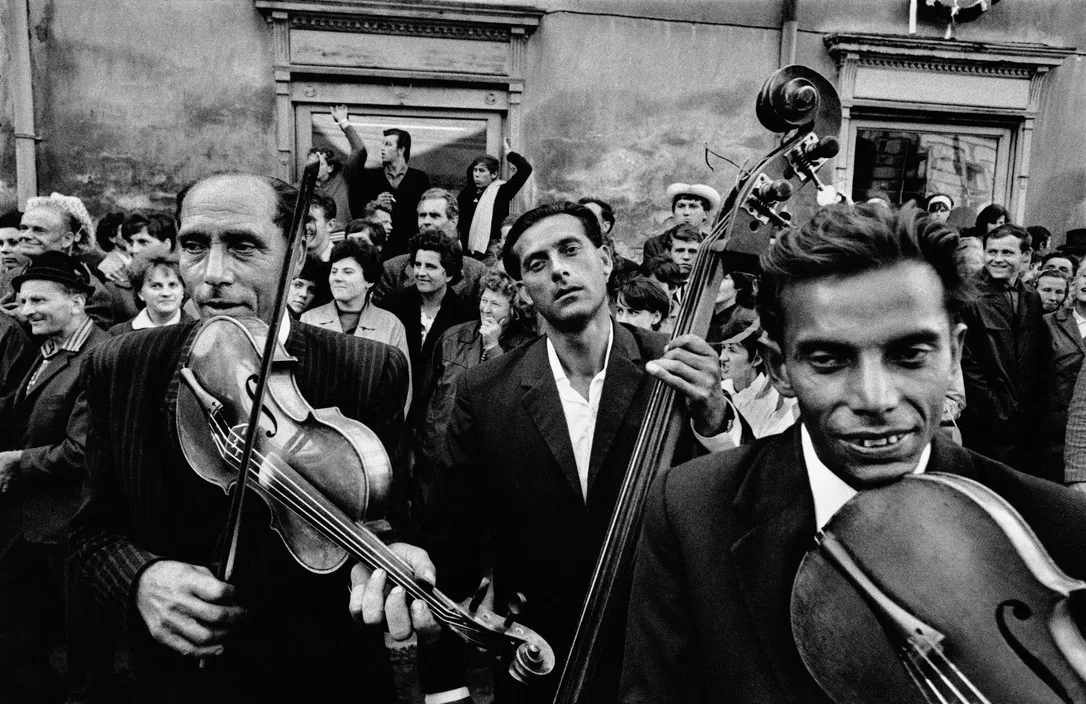
During the Cold War, Czechoslovakia forced Romani populations to abandon their nomadic lifestyles and integrate into socialist society.
However, they were often rehoused into housing projects outside of cities, creating clusters of Romani people often overlooked by the government, further perpetuating their disadvantaged socio-economic situation and reinforcing the negative stereotypes and prejudices targeted against them.
While the Communist government program on Romani integration focused on providing the Romani population with education and literacy, it did so in a very insensitive way.
For instance, many Romani children did not speak Czech and were not used to learning for long periods of time in a classroom setting. Therefore, many Romani children who were not integrating into the Czech education system fast enough were transferred to special schools, even though they did not have special needs.
This practice has persisted following the regime change in 1989. Ten years later, a group of Romani students filed a case against the Czech Republic. However, the Constitutional Court eventually dismissed it, so with help from the European Roma Rights Centre, they lodged an application with the ECHR.
Since the 2007 verdict, the Czech Republic has adopted successive action plans intended to address discriminatory school placement and improve Romani children’s access to inclusive education. However, the total number of segregated schools in the Czech Republic has still risen by 3 since 2018, indicating that these changes have not been successful in managing the situation.
Therefore, the question remains whether any change is likely to come in the following years.
On one hand, the issue of Romani discrimination is not politicised in Czech society. Indeed, it is rarely, if ever, raised in public discourse. Topics such as the War in Ukraine, the cost of living, housing affordability, and the Green Deal matter far more to voters, and the government may thus gravitate toward those issues to retain its support.
Furthermore, while attitudes towards this community have improved since the 1990s, when lynchings and other hate crimes were common, public opinion is still not necessarily positive towards the Romani.
Based on 2025 data, 61% of survey respondents rated coexistence with Romani people as either poor or very poor. These attitudes do not seem to vary by gender, socio-economic background, or age, suggesting these perceptions are widespread across society.
Thus, the government may not feel pressure from its population to address this problem and, paradoxically, might risk backlash for doing so.
Finally, the government's composition may prevent it from addressing the problem. The right-wing tri-coalition consists of populist ANO 2011 and the far-right SPD and Motoristé sobě.
During the most recent elections, the last two parties opposed inclusive education and, as such, are unwilling to support a program that would transfer Romani students from special needs schools into “normal” classrooms.

Nevertheless, there are reasons to believe that further progress is possible.
Indeed, the Ministry of Education, Youth and Sports, which is controlled by the ANO 2011 party, has revealed that they are currently working on the October plan, which would be an extension of the previous plan from 2023, which aimed to reform the counselling system, to prevent wrongful decisions on the admission of Romani children into special schools.
Furthermore, the plan should extend the previous aim for direct desegregation in specific high-risk localities, and establish a social pedagogue position. The problem remains that similar action plans were drafted in the past without ending the persistent discrimination and segregation.
Another argument for change is that the solutions are easy to implement. Indeed, the measures proposed by the ECHR and the National Pedagogical Institute could advance equal access to education while using public resources more efficiently.
The two main strategies proposed were, firstly, to explicitly ban this type of discrimination at the state level. This would push municipalities to act, as they have greater jurisdiction over the issues than the national government.
Secondly, of the 23 special schools mostly attended by Romani students, 20 are close to regular schools with enough capacity to absorb their students. Transferring students to nearby schools could thus reduce segregation while also lowering the Ministry of Education's costs.
Finally, pressure for change comes not only from European institutions, but also from the standards the Czech Republic sets for itself as a democratic country committed to human rights and equality since the Velvet Revolution.
Although potential sanctions provide a financial incentive to act, the country should also recognise the shame of allowing discriminatory practices to persist for decades.
That contradiction with its own values could trigger substantive change.