The Colombian Paradox of Fixing Violence With Violence
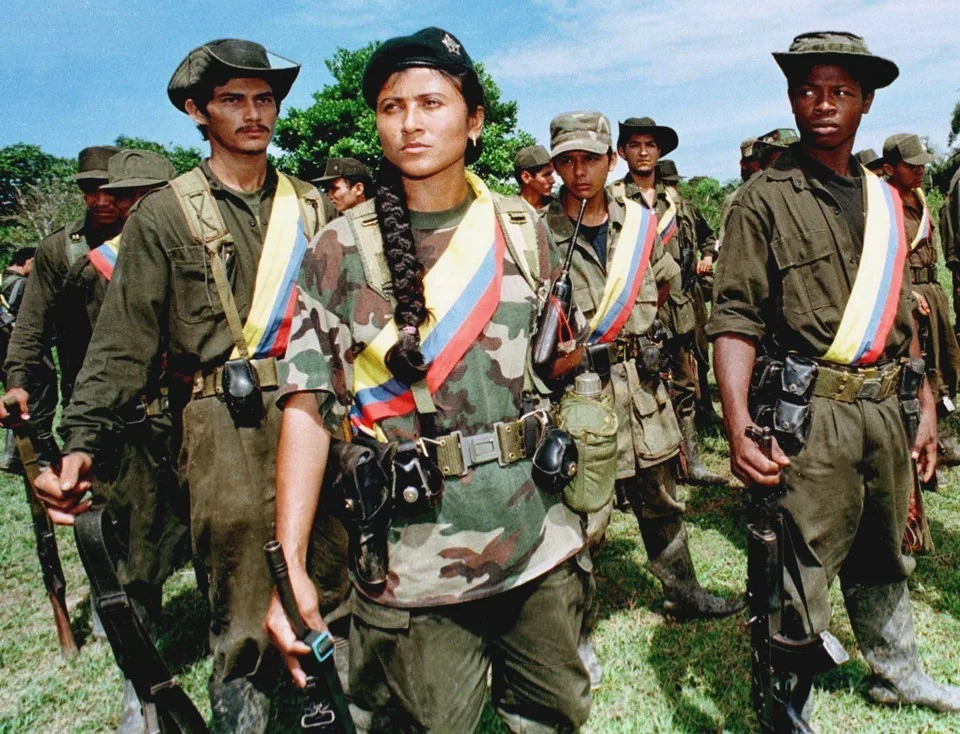
The Colombian Paradox reduces complex stories into digestible and simple sentences. “Ever-changing, nothing changes” is one that best captures the nature of Colombian politics.
With each electoral cycle, new horizons and spirits bloom as flowers in spring. With each political campaign comes a spirit of renewal, the illusion of a new beginning for a country in decadence.
Like flowers in spring, electoral cycles decide the color of the South American fields.
With the victory of Gustavo Petro in 2022, Colombia turned “red” for the first time in its democratic life; with its defeat this year, Colombia turned into a much darker “yellow” than the one that paints the upper section of the flag.
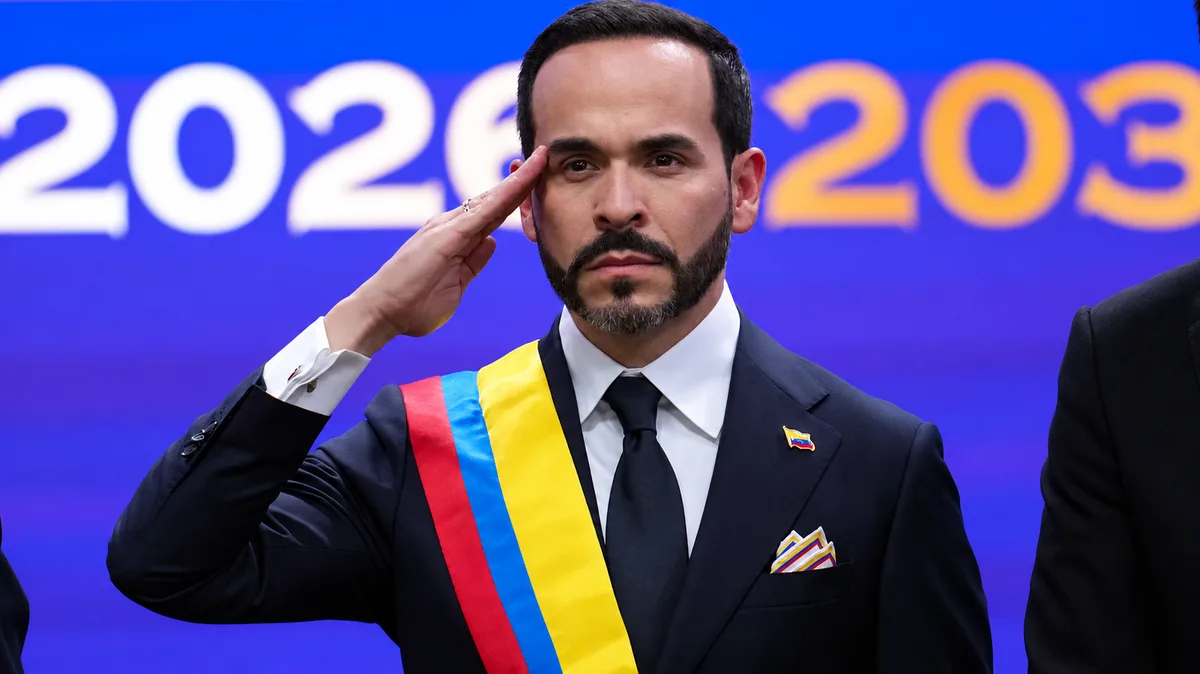
On the 21st of June 2026, Abelardo de la Espriella was declared the winner of the Colombian presidential elections, effectively becoming the new president of the Republic, carrying with him a promise of stability and security, perceived to be lost under the Petro Government.
These promises stem from the pressure of the Colombian electorate to find solutions to ever-lasting problems such as internal conflict and socio-economic pressures, choosing De la Espriella as their “new lifeguard” within an increasingly dangerous sea of instability.
“Firme por la Patria” became the new slogan of the Colombian government, one appealing to a strong management ready to stand up against the pressures from within.
Indeed, the arrival of De la Espriella to la Casa de Nariño follows an increase in internal violence among guerrilla groups. An increasing number of guerrilla members, forced displacements, and violence against civilians made the 2016 Peace Accords that earned the Colombian president the Nobel Peace Prize look like another paradox within Colombian politics. A success derailing into failure.
The dismantling of the FARC guerrilla group failed to address the underlying socio-economic problem behind internal violence: inequality.
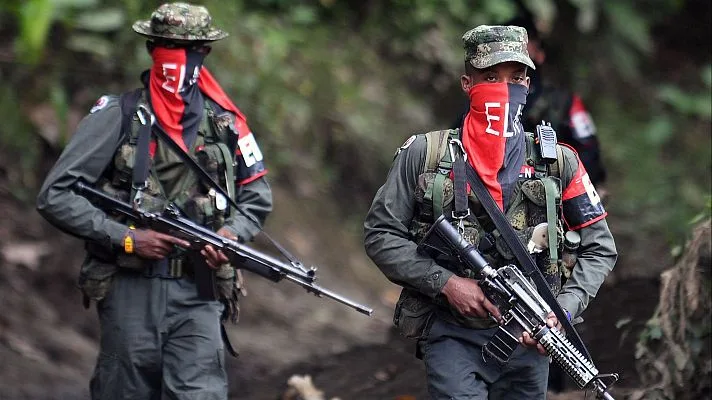
The ELN, Estado Mayor Central (EMC) and Estado Mayor de Bloques y Frentes (EMBF) took over as the forces of internal violence within Colombian territory, returning the color “red” of blood to the nation’s plains. It is in this context that there is pressure for the new president to stand up against these guerrilla organizations and bring stability to the country.
De La Espriella's motto, “Firm for the Nation,” therefore translates into “Firm against guerrillas”. Indeed, the new president has established a conflictual policy to solve the problem of internal violence, choosing American guns to fight the ever-lasting battle against insecurity. This tactic is far from new, and reproduces a pattern of violence that led to state-financed violence through paramilitary groups under the Uribe government.
Violence fights violence seems to be another paradox.
The question therefore raises itself: is the solution to the Colombian case more violence?
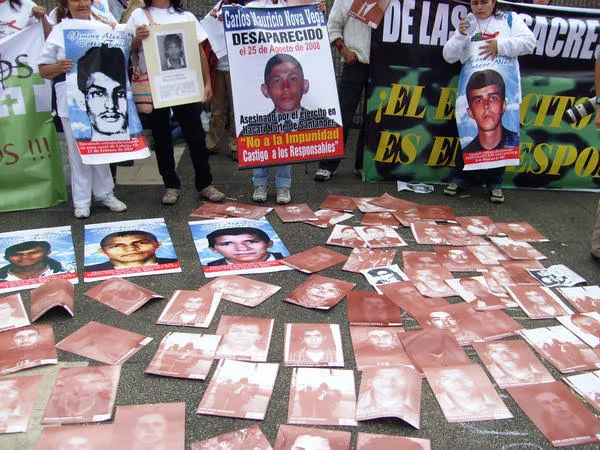
Colombian society has lived with conflict for so long that it has come to treat it as part of the national fabric. The country now has to choose between adding more blood to the table or diluting it with dialogue and social investment. Petro chose the second path, and it failed.
But its failure does not prove that the first will succeed. It may only show that neither force nor dialogue works alone, and that the real test is whether any government can resist the pressure for quick results and build a state that reaches the places where armed groups have governed in its absence.
Let me therefore reference the first established paradox to raise a final question to you, the reader. If politics are ever-changing, why is it the case that we feel like nothing changes? The Colombian case becomes useful to address this interrogation.
Is this vacuum of violence exacerbated by the change of tactics in fighting violence, or because the Colombian government failed to address the underlying nature of said violence? In other words, are governments prepared to address the nature of said issues, or just to fix their consequences?