Careful! Your Opinion is Being Made For You
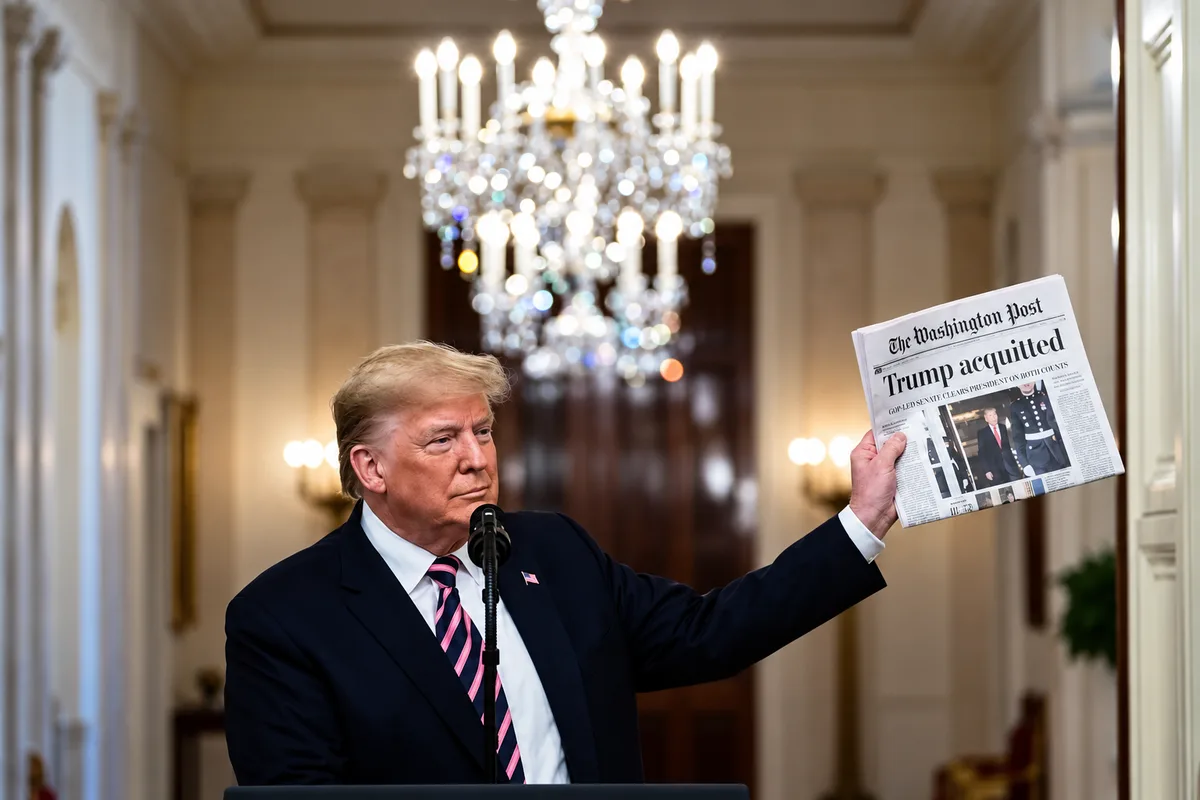
I'm sure many of you will get this feeling. You pass by the living room on your way somewhere, but your parents, partner, or housemate has something playing on the TV.
You glance at the screen almost unintentionally, and as you're on your way out, your innate curiosity gets the best of you.
You stop for a second just to quickly check out what they have on. It turns out to be kind of interesting, and you end up watching for longer than you originally intended.
I was back home for the holidays, and I fell into this exact trap. I came into the living room, where my parents, as they usually do after lunch on the weekend, were watching the news.
Specifically, they were watching a live report on the multiple protests happening during Spain's national day celebrations.
As I fell into this classic parent-watching-random-stuff-on-the-TV-that's-actually-kind-of-interesting trap, I saw something too good to be true. I had to rewind and watch it again. I even recorded it with my phone. Here is the recording:
At first glance, this may seem like nothing out of the ordinary, just your normal news channel. But as someone who can't help but examine everything through a political lens, this clip is absolutely golden.
For me, this clip could not better exemplify the ultimate goal of modern informational outlets. Rather than objectively reporting on the situation, the journalist moves between opposing groups, selectively relaying their most inflammatory remarks without context, all at the direction of her producers back in the studio.
Her intention was clear: not to report, but to make the scandal louder and the separation larger.
But we've known this for a long time. Time and again, we are told that the news and social media are not healthy sources of political education. I was even hesitant to write this article; a piece on social media or news channels would probably not be the first I would click on.
However, I do want to write about this because, although we have heard the general premise too many times, very few people actually grasp the extreme severity of this manipulation in our political formation.
After writing my Political Science dissertation on rising youth extremism and taking a course in AI in politics, I confronted a personal reality that most haven't, and maybe never will: my opinion is being made for me.
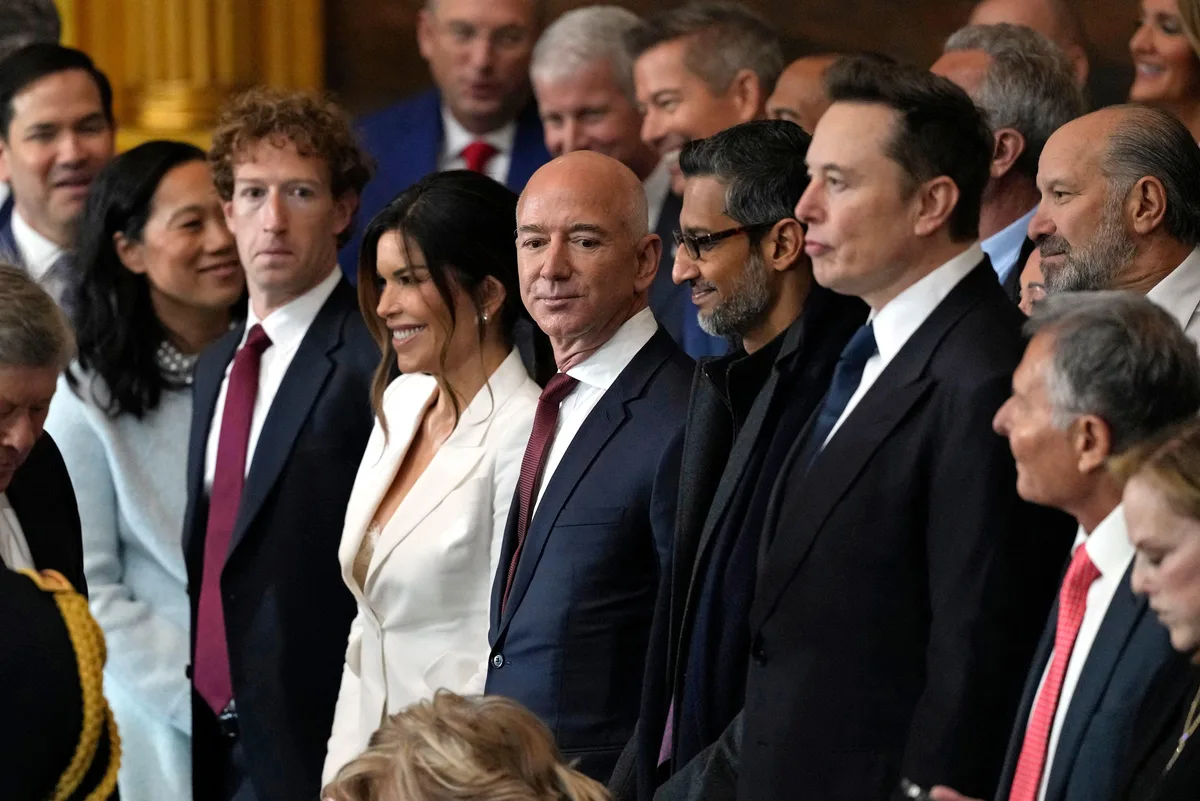
Now, I know I've just given you an example of traditional news media, and I could dedicate an entire article to how news channels sensationalize political disagreements and deepen divisions.
But I believe there is a far greater threat today, one that takes these same tendencies and amplifies them on a scale and with a precision that traditional media could never achieve. That is, you guessed it, social media.
In reality, traditional news sources are significantly losing popularity in the face of social media. In Spain, my home country, amongst young Spaniards aged 18 to 24, social media is already the dominant source of information for current news and affairs.
Using social media as a source of information definitely has its benefits. A select handful of newspapers and television networks can no longer monopolize the distribution of information, as independent journalists and ordinary citizens now have the opportunity to make their voices heard.
Social media has made it easier to expose misconduct, communicate complex political issues in accessible ways, and organize collective political action. In many respects, it has democratized access to information, a positive development for democracy as a whole.
However, democratizing who can speak does not necessarily mean democratizing who gets heard, and that's precisely where the great harm of social media exists. Let me explain.
Social media corporations are businesses like any other. They have shareholders to satisfy and are focused on generating profit.
How do social media businesses make this profit? By making you stay on the app as long as possible—longer time spent means more ad space is presented to you, more data is collected from you, and more personalized ads are given to you.
In other words, tracking user behavior generates valuable insights that are then monetized through targeted advertising.
The way social media companies track your behavior and turn it into quantifiable data is through AI-driven algorithms that are specifically trained for this purpose. The data this AI collects is not limited to what you knowingly share (likes, follows, comments). It examines thousands of behavioral signals to understand what you're interested in and predict what will capture your attention.
These signals include how long we spend watching a video, how quickly we scroll away from it, the times of day we are most active, our device type, location, social connections, browsing and purchasing habits, even off-app activity on other platforms reported by partner businesses.
Any information that could suggest what it is you most enjoy watching is captured by this AI detection system; nothing gets past it.
Based on this information, the system itself decides what information to amplify or suppress. Through real-time microtargeting interventions, it adjusts what you see and what you don't.
The quantity of content you consume is prioritized over its quality, and its accuracy.
It doesn't take much to see why this model, when applied to political education, is disastrous.
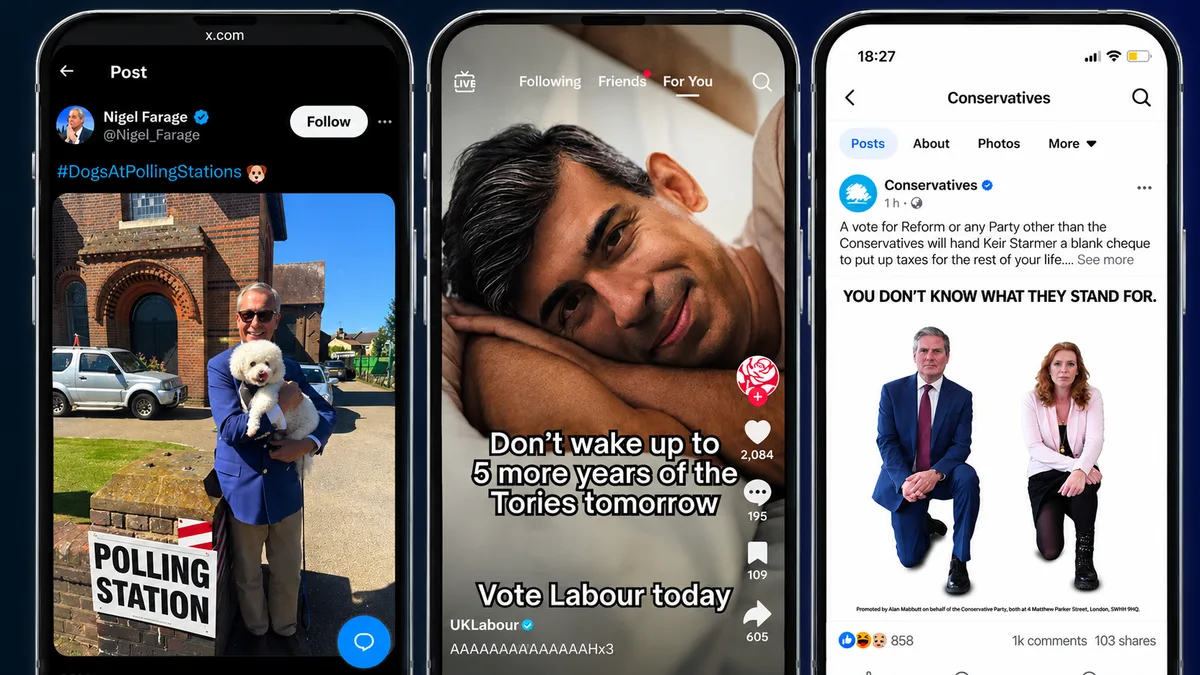
Algorithms learn what we believe, what we agree with, and, perhaps most importantly, what provokes an emotional reaction from us.
They then use this information to construct an increasingly personalized version of reality, one in which our existing convictions are constantly reinforced, while perspectives that might challenge them are avoided.
We are not only exposed to fewer opposing perspectives, but those we do encounter are framed in ways that are likely to reinforce our negative perceptions of the people who hold them.
When opposing viewpoints do manage to penetrate these bubbles, they are often presented in their most provocative and inflammatory forms. After all, outrage generates engagement.
Experts call this an "echo chamber," a digital environment where our pre-existing views are confirmed and perspectives that oppose them are hidden.
These algorithms tap into our most inherent instinct of survival and tribalization: protecting what we know and rejecting whatever may challenge that. Old is comfortable, new is threatening.
One could argue that we have always been trapped in ideological bubbles. Whether that is through intergenerational transmission (people usually adopt their parents' ideological orientation because it is the one instilled in them from a young age), our friendship choices, or social context, surrounding ourselves with people who agree with us is not new.
What is new is the intensity and precision with which it is now happening.
Our parents and social circles may have shaped our political convictions, but they could not continuously monitor our reactions, identify which messages most effectively reinforced our beliefs, and deliver an endless stream of content matching our convictions. Social media algorithms can.
Social media did not invent ideological division, but it has given it an entirely new mechanism through which to operate, with a scale, speed, and meticulousness that is difficult to fathom.
For democracy, this undoubtedly presents an issue.
New studies are confirming this reality, showing that our own judgment is increasingly replaced by algorithmically driven decisions, and our emotions are significantly manipulated by our own feeds.
This affects the process of democracy and the values upon which it operates, those of consensus, free speech, debate, and compromise.
When we cast our vote, is that decision being made through careful deliberation and reflection, or conditioned by the 200 posts we saw the day before, reconfirming and radicalizing our already existing beliefs?
Is our electoral competition fair, or are those most financially equipped to exploit social media the most likely to win?
If we continue to form our political ideals in an environment of confirmation, how capable will we be of managing disagreement?
To what extent is our opinion truly ours?
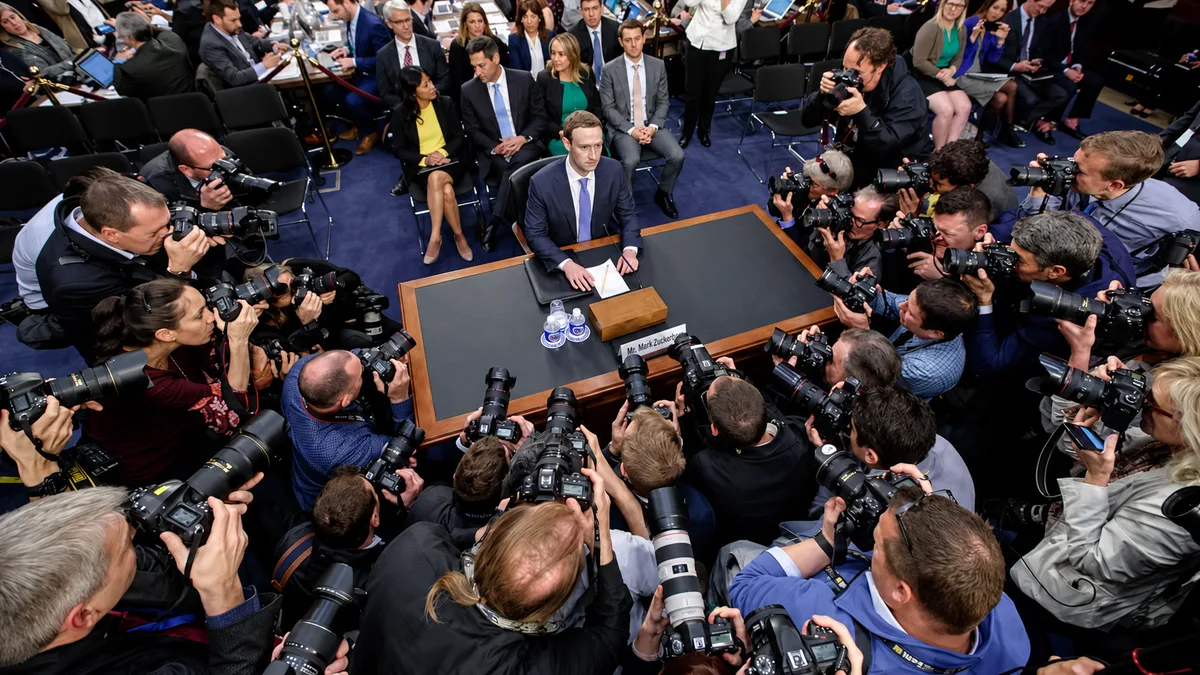
So all of this is definitely a problem, but there are solutions. The solutions lie in two main areas: regulation and education.
Just this August, Meta faced a landmark lawsuit alleging that its social media platforms are deliberately designed to be addictive and especially harmful to young users. Within a week of the trial beginning, Meta settled for up to 18 billion dollars and committed to mandatory safeguards within the app for young users (daily usage limits, nighttime access blocks, hidden reaction counts).
Some experts call this "the first time Big Tech is held accountable," setting a precedent for more litigation against these firms and their intentionally exploitative algorithms.
Countries like Spain, France, Australia, and the UK have also started enacting social media bans for children under 15, and implementing restrictions on algorithmic amplification of illegal content. In these countries, and many more, tech company executives will start facing criminal liability if they fail to remove illegal, false, or hate-related content.
The lack of transparency in social media political advertising has made it difficult to hold users or executives accountable. This microtargeting is often invisible and operates in an ecosystem hidden from regulators.
These regulations are a crucial step forward in maintaining the benefits of social media while suppressing its addictive, polarizing design that promotes misinformation.
Experts also point to education and awareness as key areas of action. Educational curricula have long faced public pressure to better adapt to the increasing reality of many students. For politics, this reality is one where ideological formation is made independently through the consumption of uncontested, undeliberated social media content.
Educational curricula designed to help students navigate the digital world will be crucial in combating the current rise in youth extremism we see across all Western democracies. We cannot censor adults from social media, but we can equip them from a young age with the tools to better understand and process the content they encounter.
Although regulation is a key area of improvement, the issue is best resolved not by making the producer attack less, but by teaching the consumer how to defend themselves. This is not only why education is so vital, but why you and I, as individuals, must make a proactive effort to escape this trap.
As I mentioned, this algorithm understands our nature as humans, how we find more comfort in repetition than in novelty. Therefore, it is up to us to make ourselves uncomfortable.
It is up to us to understand that just because our beliefs are deep and long-held doesn't mean they are absolute. To acknowledge that context in politics matters.
To seek consensus rather than victory. And most importantly, to realize that disagreement, if handled appropriately, brings us forward, not backward.
It is on the regulatory, educational, and individual fronts that we can begin to ensure, as best we can, that, in our democracies, our opinions are truly ours.
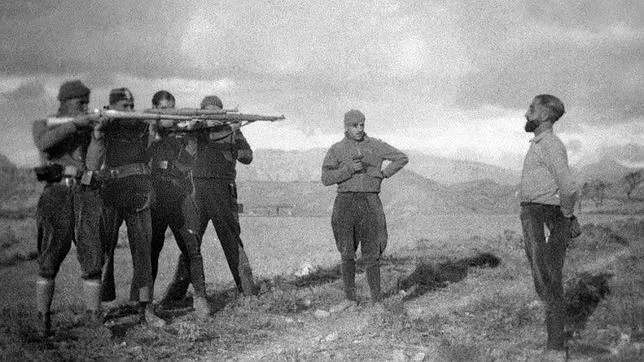
Overall, the truth is that we've gotten much better at handling disagreement.
In Spain, less than one century ago, political disagreement was addressed through a brutal civil war that killed over half a million people. Today, we should be proud as a society that we have come so far that something like that happening today is considered "unimaginable."
However, the degree of extreme animosity and pure rage that makes war go from "unimaginable" to "necessary" doesn't appear in a vacuum; it builds slowly, in increments we can barely notice in the moment and can only fully appreciate retrospectively.
If our understanding of the world is continuously validated, and those who disagree with us are increasingly portrayed as irrational, ignorant, or even malicious, political disagreement begins to feel like a battle between two irreconcilable realities: a battle in which compromise is no longer a virtue but a concession to the enemy.
The democratic ways of peacefully handling disagreement we have fought so hard to build will start seeming inefficient, counterproductive, and ultimately expendable.
These informational environments that are systematically designed to cultivate tribalism and fuel cynicism may not directly provoke civil war, but they do create the fertile ground in which the seeds of division and hatred grow.
We must reclaim control over how we consume information before violent conflict goes from "unimaginable" to "not probable" to "plausible" to "necessary," the seamless trajectory history has too often shown.
SOURCES
Bautista, José. 2026. “Spain Aims to Ban Social Media for Children Under 16, Prime Minister Says.” The New York Times, February 3. https://www.nytimes.com/2026/02/03/world/europe/spain-social-media-ban-under-16.html
Cervi, Laura, and Carles Marín-Lladó. 2021. “What Are Political Parties Doing on TikTok? The Spanish Case.” Profesional de la Información 30 (4): e300403. https://doi.org/10.3145/epi.2021.jul.03.
Comisión Nacional de los Mercados y la Competencia (CNMC). 2025. “La CNMC mide por primera vez cómo se sigue la actualidad: redes sociales para jóvenes, televisión para adultos.” Nota de prensa, November 28. https://www.cnmc.es/prensa/panel-medios-informacion-20251128.
Couldry, Nick, and Ulises A. Mejias. 2019. The Costs of Connection: How Data Is Colonizing Human Life and Appropriating It for Capitalism. Stanford, CA: Stanford University Press. https://doi.org/10.1515/9781503609754.
Dauvergne, Peter. 2020. AI in the Wild: Sustainability in the Age of Artificial Intelligence. Cambridge, MA: MIT Press.
Głowacka, Dorota, Richard Youngs, Adela Pintea, and Ewelina Wołosik. 2021. Digital Technologies as a Means of Repression and Social Control. Brussels: European Parliament. https://doi.org/10.2861/953192.
Lepore, Jill. 2024. “The Artificial State.” The New Yorker, November 4. https://www.newyorker.com/magazine/2024/11/11/the-artificial-state.
Lorente, Javier, and Irene Jiménez-Bravo. 2025. “A Future of Authoritarian Citizens? Explaining Why Spanish Youth Are Losing Faith in Democracy.” Frontiers in Political Science 7: 1553307. https://doi.org/10.3389/fpos.2025.1553307.
Mudde, Cas. 2004. “The Populist Zeitgeist.” Government and Opposition 39 (4): 541–63. https://doi.org/10.1111/j.1477-7053.2004.00135.x.
Public Health On Call. 2026. “How the $17 Billion Meta Settlement Could Reshape Mental Health Research and Policy in the Digital Age.” Johns Hopkins Bloomberg School of Public Health, September 16. https://publichealth.jhu.edu/2026/the-meta-settlement-and-social-media-addiction
Pugh, Jonathan. 2024. “Risky Business: AI and the Future of Insurance.” In AI Morality, edited by David Edmonds, 30–40. Oxford: Oxford University Press. https://doi.org/10.1093/oso/9780198876434.003.0004.
Simons, Josh. 2023. Algorithms for the People: Democracy in the Age of AI. Princeton, NJ: Princeton University Press. https://doi.org/10.1515/9780691244914.
Vallor, Shannon. 2024. The AI Mirror: How to Reclaim Our Humanity in an Age of Machine Thinking. New York: Oxford University Press. https://doi.org/10.1093/oso/9780197759066.001.0001.
Zuboff, Shoshana. 2021. “The Coup We Are Not Talking About.” The New York Times, January 29. https://www.nytimes.com/2021/01/29/opinion/sunday/facebook-surveillance-society-technology.html.