No Homes Without People, No People Without Homes
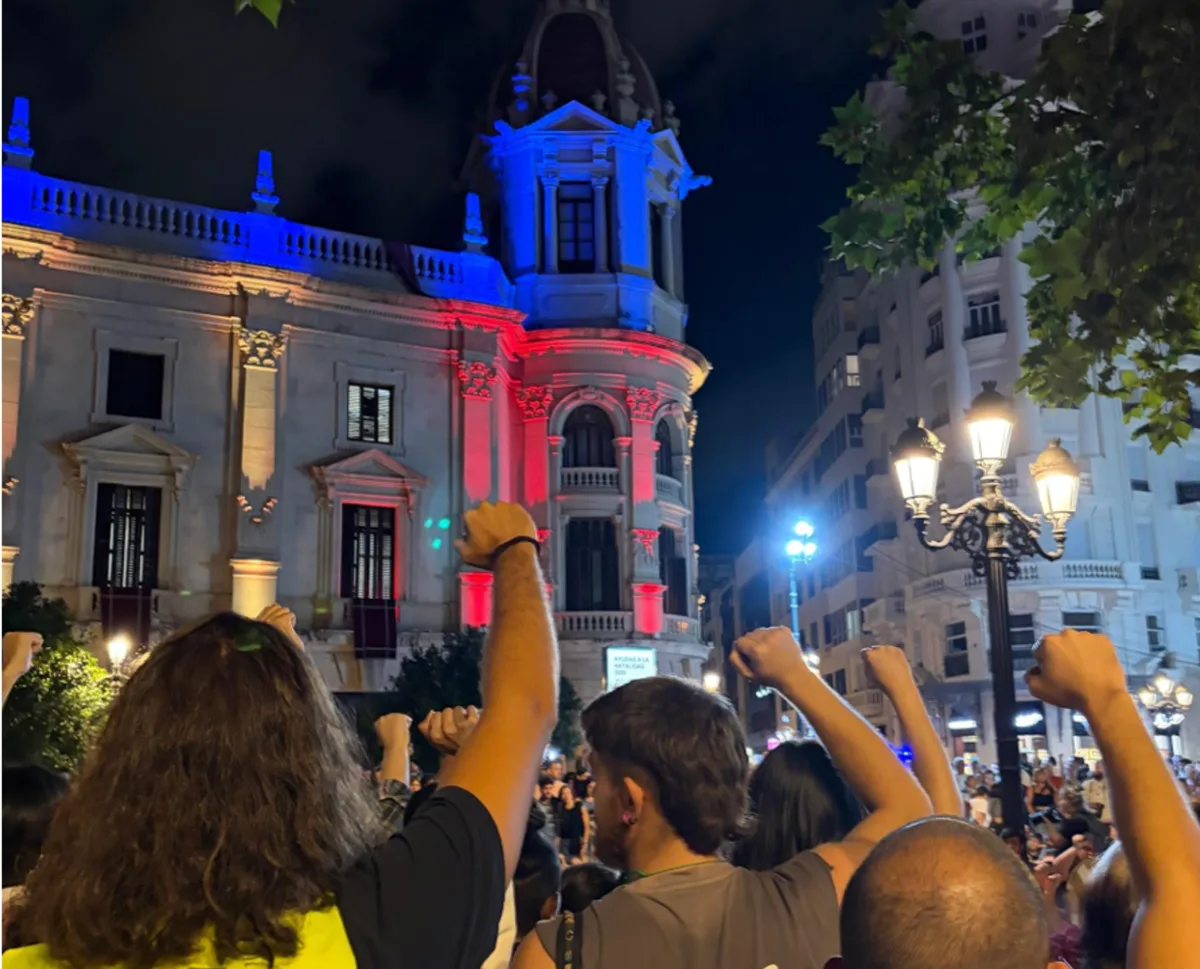
What is happening in Spain? Why has the Spanish prime minister called an early general election? And, perhaps most importantly, who is Maricarmen, and why has she become so famous?
My country is witnessing revolutionary movements that are changing everything, setting a precedent for how we fight for our rights, both here in Spain and around the world.
A great deal has happened in Spain over the past few weeks. To understand what is unfolding, we must first examine the roots of the problem: overtourism, vulture funds, and gentrification.
Spain is the second most-visited country in the world, behind only France, home to Paris. For years, we have been suffering the consequences of mass tourism, and the situation is only getting worse.
Our streets and neighbourhoods are increasingly crowded with tourists, prices are skyrocketing, landlords are prioritising short-term tenants, and our cities are becoming little more than theme parks for visitors.
In my city, Valencia, hardly any long-term residents remain along the main avenues. Only the wealthiest and tourists can afford to live there.
Tourists and expats are increasingly prioritised over those who have spent years, sometimes their entire lives, in our neighbourhoods, regardless of whether they were born here or moved here from elsewhere.
This has created enormous social tensions. Young people and families have been forced to leave Spain, residents have been evicted from their homes, and tenants' unions have mobilised across the country.
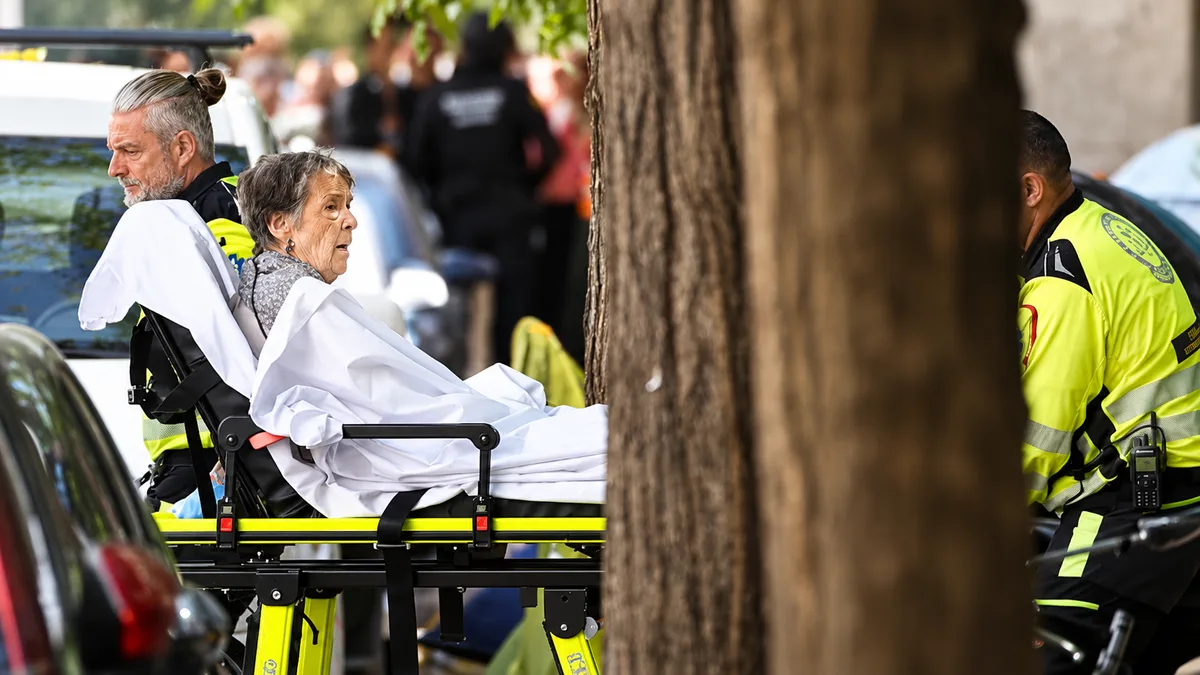
Against this backdrop, the case of Maricarmen Abascal became, as we say in Spain, the drop that made the glass overflow. She has become the symbol of a revolution sweeping through our cities.
Maricarmen was an 87-year-old woman who had lived in the same home for 70 years. However, due to complications involving her tenancy agreement and housing legislation, she did not legally own the property.
A vulture fund called Urbagestión purchased her home. After four attempted evictions, and despite significant public mobilisation in her defence organised by the tenants' union, she was ultimately evicted and carried out of her home on a stretcher. Those who gathered to defend her also faced heavy police repression.
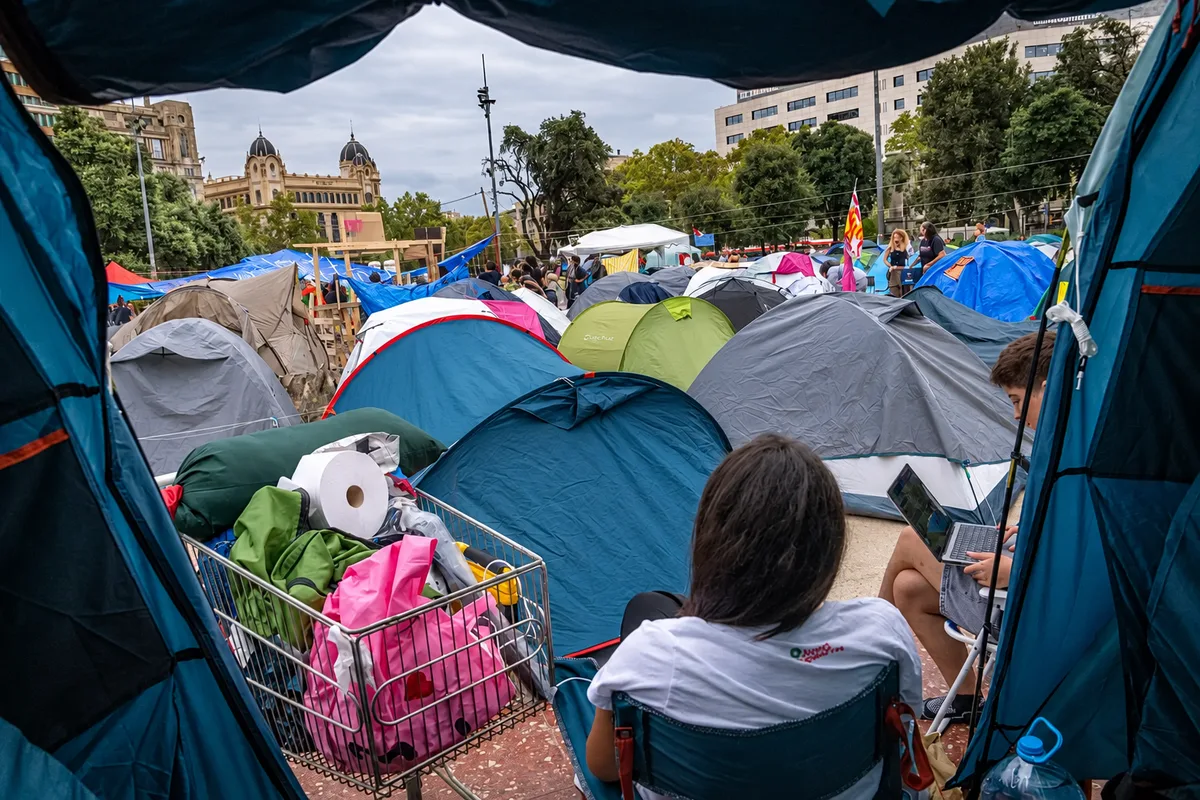
Following her eviction and several demonstrations, the tenants' union decided to establish an improvised protest camp in Madrid's Puerta del Sol. What began as a small gathering gradually attracted more and more people, and has now sparked a wave of demonstrations across Spain.
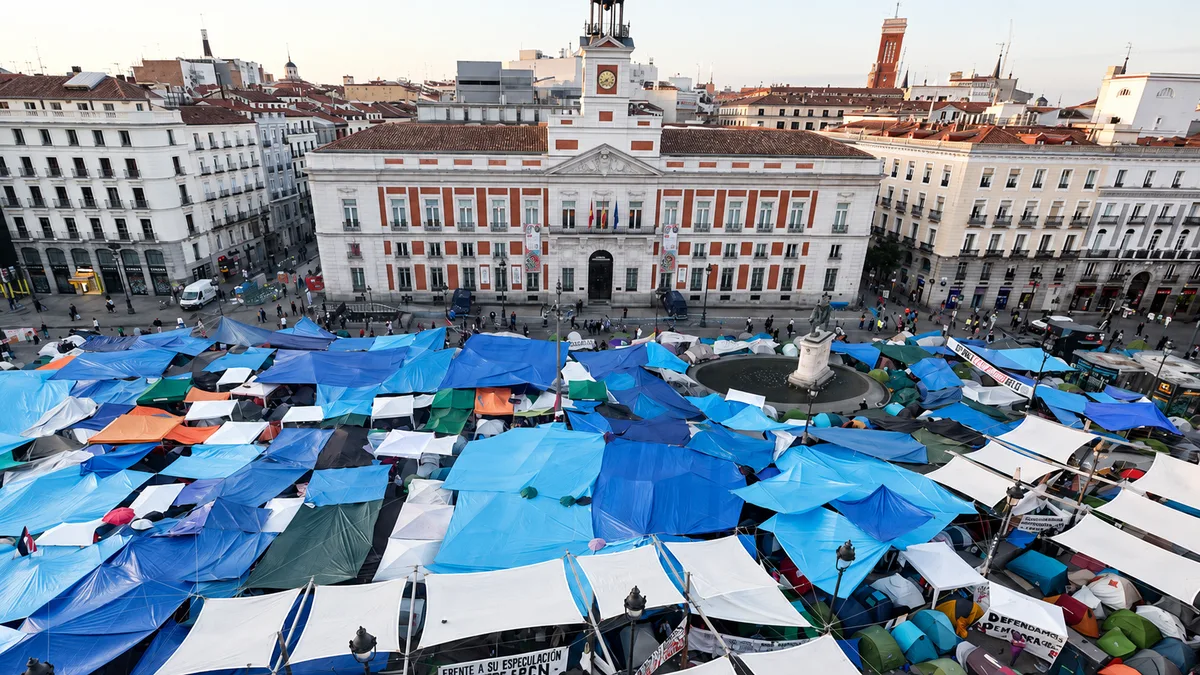
It is important to clarify that this movement is not simply directed against the right-wing People's Party (PP), which governs Madrid. It is also a protest against the central government and the policies of Pedro Sánchez, Spain's prime minister and a member of the Socialist Party (PSOE).
Despite Sánchez's promise that this would be "the legislature of housing," his government has done nothing in regards to the housing crisis. Those promises have amounted to little more than empty words, while the housing crisis has continued to worsen.
Under mounting pressure from the streets, the government attempted to pass two decree-laws introducing housing measures. Although protesters considered these proposals insufficient, many still saw them as at least a first step towards addressing the crisis.
However, Junts, a right-wing Catalan independentist party that forms part of the governing coalition, voted against the measures, preventing both decrees from passing.
And this was precisely the moment Pedro Sánchez had been waiting for: the perfect opportunity to call an election.

Sánchez is an exceptionally skilled politician. He is Machiavellian, always knowing what to say, how to say it, and how to turn a political situation to his advantage. There is always a strategy behind his decisions, and this time is no exception.
Sánchez knows that the corruption scandals involving his brother, his wife and his closest political allies have faded into the background. They no longer dominate social media or television coverage.
Instead, the political conversation is now centred on a mobilised left, taking to the streets and directing its anger towards the right for blocking the housing decrees.
Sánchez knows that, if he wants to win, this is an excellent moment to hold an election. And so he brought the elections forward. Spain will now hold its general election on November 29.
In response to these developments, trade unions have called a nationwide general strike for November 11, which is expected to last just 24 hours. This strike has clearly been politicised and organised by the Socialist Party and, by extension, Sánchez himself.
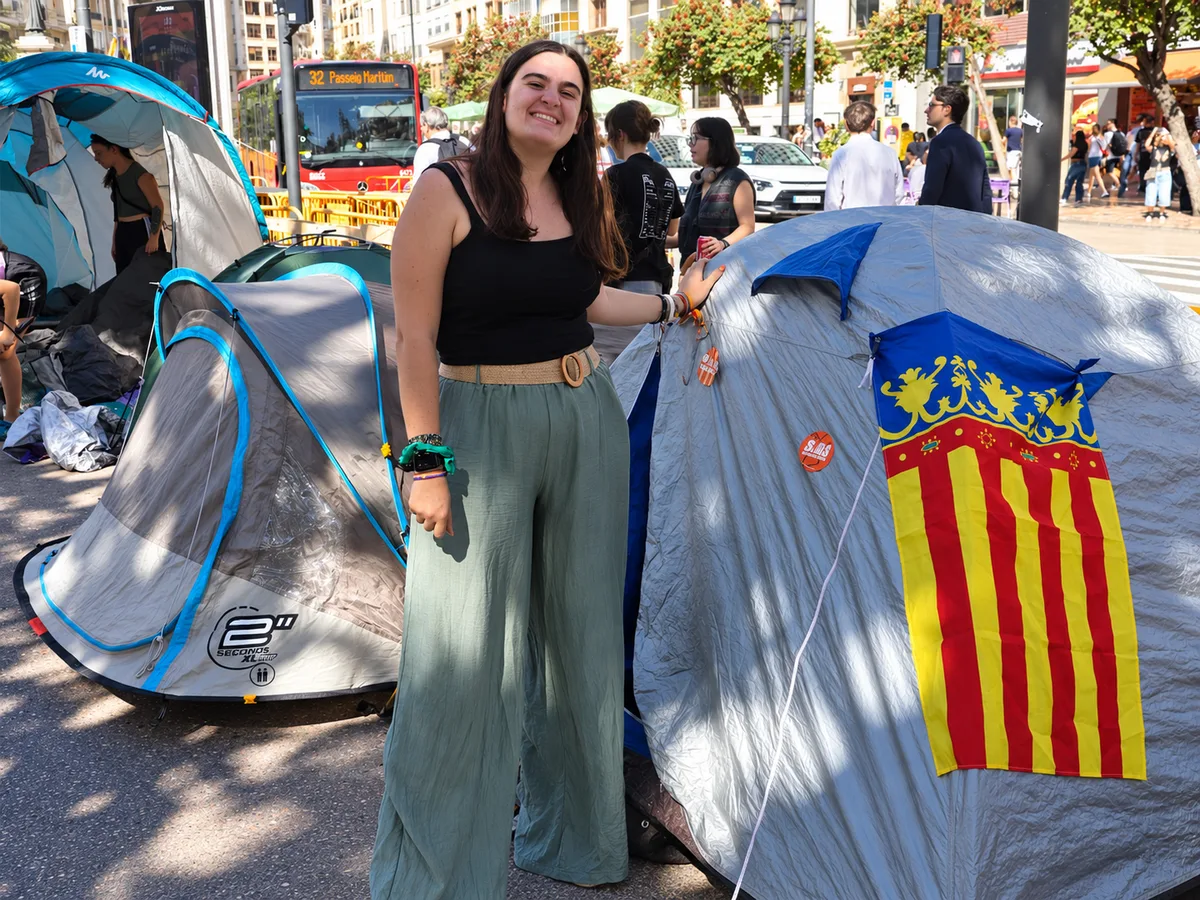
Following the announcement of the strike, the first tent appeared outside the city hall in Valencia on November 3. As the days passed, more and more people joined the movement.
Today, approximately 400 tents have been pitched outside the city hall, accommodating around 1,200 people, and the encampment has the potential to grow even further.
Much like the encampment in Madrid, ours exists within a highly polarised political environment and has a distinctly left-wing character. Yet it operates independently of the Socialist Party and every other left-wing political organisation.
It belongs to no political party. It is self-managed, organised horizontally through different committees, and sustained by the collective efforts of its participants. Everyone contributes something.
Those who cannot stay overnight have supported us from outside, bringing food, blankets, tents, and everything else we need to survive while camping in the heart of the city.
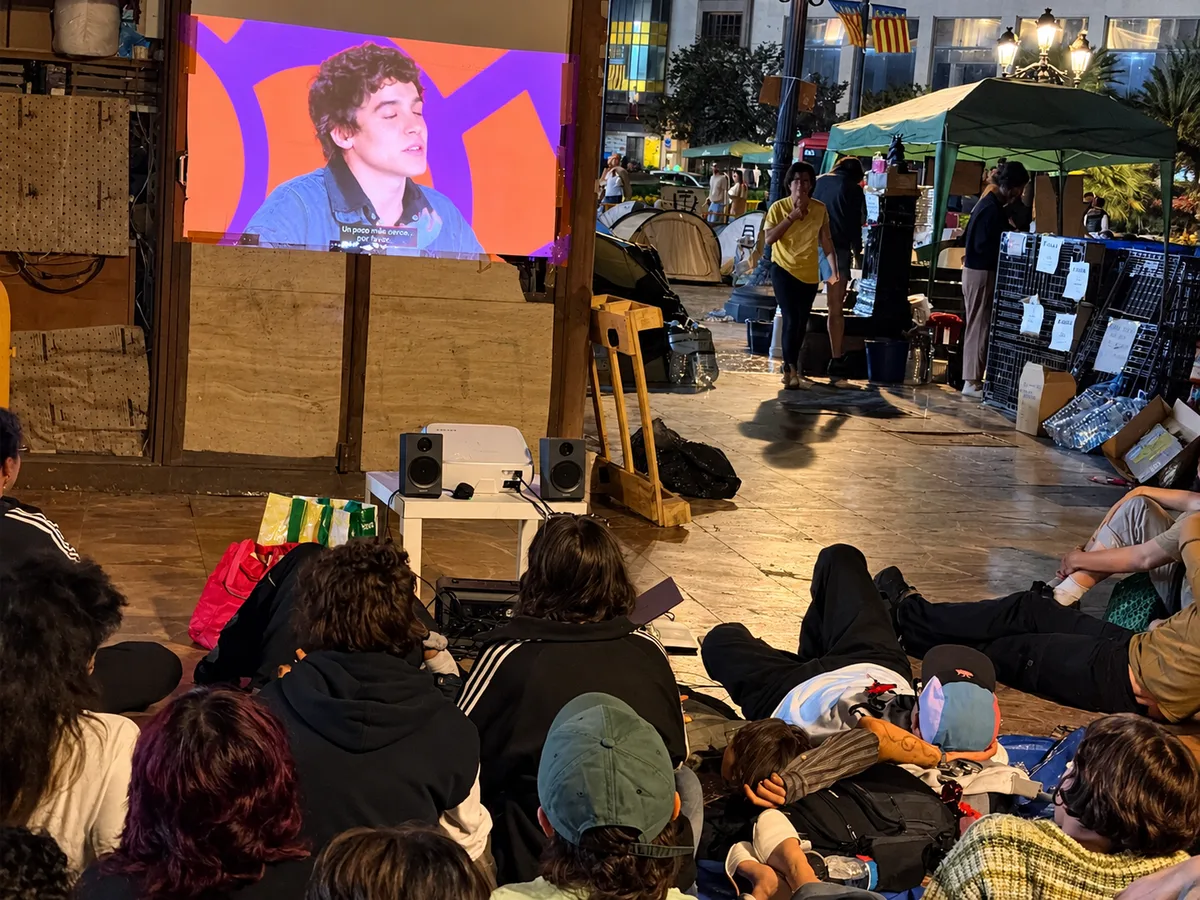
Within the encampment, we organise activities, workshops, talks, performances, debates, and daily assemblies to discuss the situation, alongside countless other initiatives.
We also share the space with people experiencing homelessness. They are part of our community, and they are among the people for whom we are fighting. We have even established a dedicated committee to ensure that they feel safe, welcomed, and supported.
In many ways, this encampment represents the kind of world we should all aspire to live in: a place built on solidarity, mutual respect and a sense of community, where people talk to one another, greet each other and look out for their neighbours.
By now, almost all of us know one another. It is a beautiful atmosphere, although, of course, we recognise that it is also a bubble. We continue to resist, and we intend to remain here for as long as possible, hopefully until November 11.
History reminds us that rights are won and defended through class struggle and pressure from the working class. That is what we intend to do. We fight for a Spain where people can afford to live; where tourists are welcome, but where local residents also have a place; where housing is genuinely treated as a right rather than a commodity; and where respect and solidarity prevail.
We will see what happens between now and November 29. Until then, I will remain in my tent, in the main square of my city, fighting for every Maricarmen in this country.