Brexit, Bremain, or Brentry?
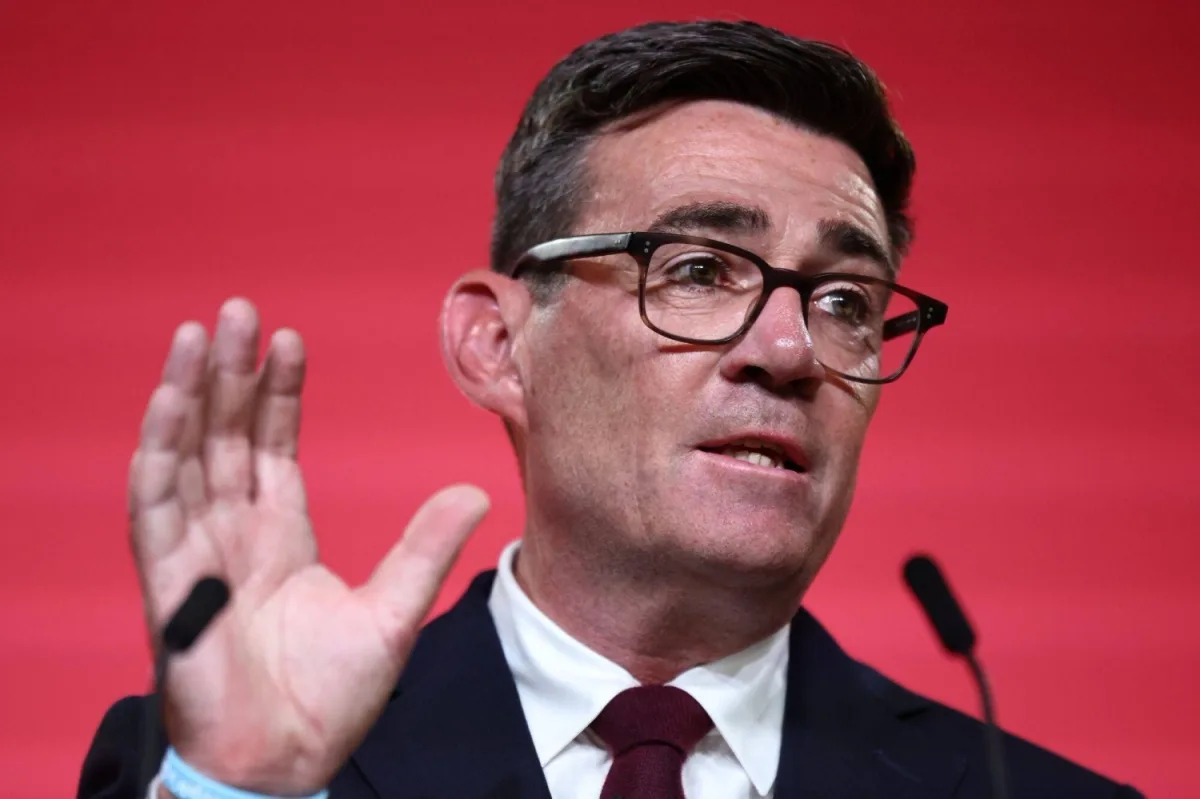
Andy Burnham became the first sitting British prime minister since the 2016 referendum to suggest the possibility of the United Kingdom rejoining the European Union.
This is the latest in a recent trend of Burnham remarks signalling a desire for closer ties with the EU. French president Emmanuel Macron and Spanish prime minister Pedro Sánchez have both welcomed the prospect of the UK rejoining the EU.
While European allies and Remainers welcomed Burnham’s pro-Europe comments, political opponents and commentators warned that reopening the Brexit debate is like opening Pandora’s box.
Many Brits can relate to the exhaustion and irritation that the mere utterance of the word ‘Brexit’ could cause around the dinner table in the years of Theresa May and Boris Johnson.
For a decade, the question of Britain’s place in Europe has consumed prime ministers, divided parties, and left many voters wanting nothing more than for the argument to end. Nevertheless, Burnham has chosen to reopen it.
Is full re-accession viable among the British electorate, and what does Burnham stand to gain by raising the point now?
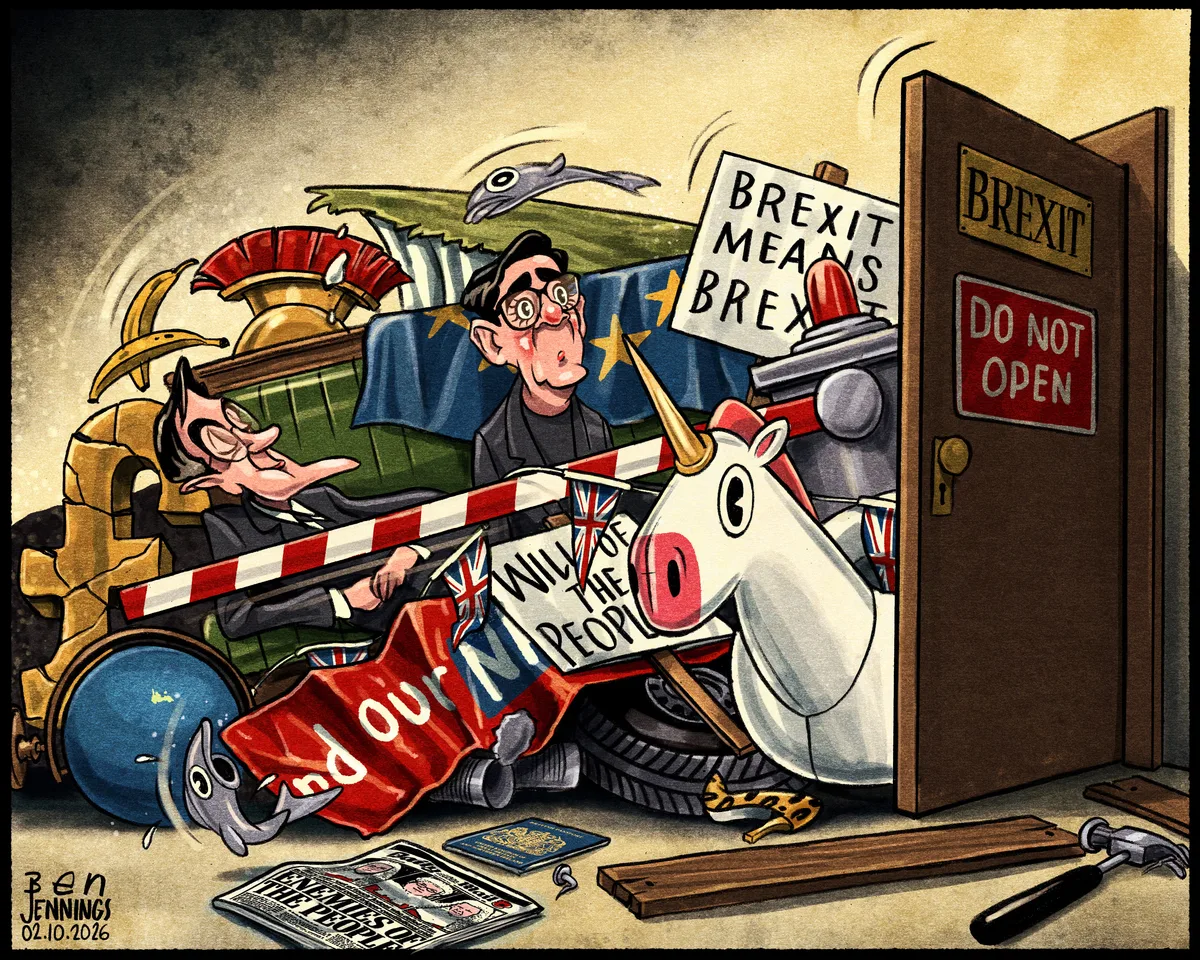
To begin, Burnham’s hints at going ‘all the way’ with the EU clash with the official red lines of his own party, which clearly state that there will be no “return to the single market, the customs union, or freedom of movement”, and that Britain will “stay outside of the EU”.
These red lines, as defined in the party’s 2024 manifesto, will remain in place at least until the next British General Election in 2029, so in any case a change in the UK’s direction with the EU is unlikely to happen before that time.
Burnham’s position on rejoining the EU does not appear to be one that will lead to drastic change in the short term. It should instead be read as a hint for the substance of Labour’s next general electoral campaign.
Public opinion, by contrast, favours rejoining the EU. A YouGov survey published in June 2026 found that 55% of Britons support rejoining, with 34% opposed. However, this headline figure fails to account for the terms of Britain’s re-accession.
Rejoining the EU in 2026 would not mean reclaiming the special status Britain held in the Union when it voted to leave. In its time as an EU member, the UK opted out of the Eurozone, kept the British pound, and stayed out of the Schengen area.
Britain also benefited from a budget rebate, which refunded 66% of the gap between what it paid annually into the EU budget and what it received from it. It is very unlikely that British re-accession to the Union would be under these same terms, with Britain likely to be subject to the standard membership requirements.
The same study found that support fell to 35% if the UK had to rejoin without the opt-outs, with 43% opposed. Any move towards re-accession would also likely have to survive a second referendum, which makes the 35% figure all the more significant.
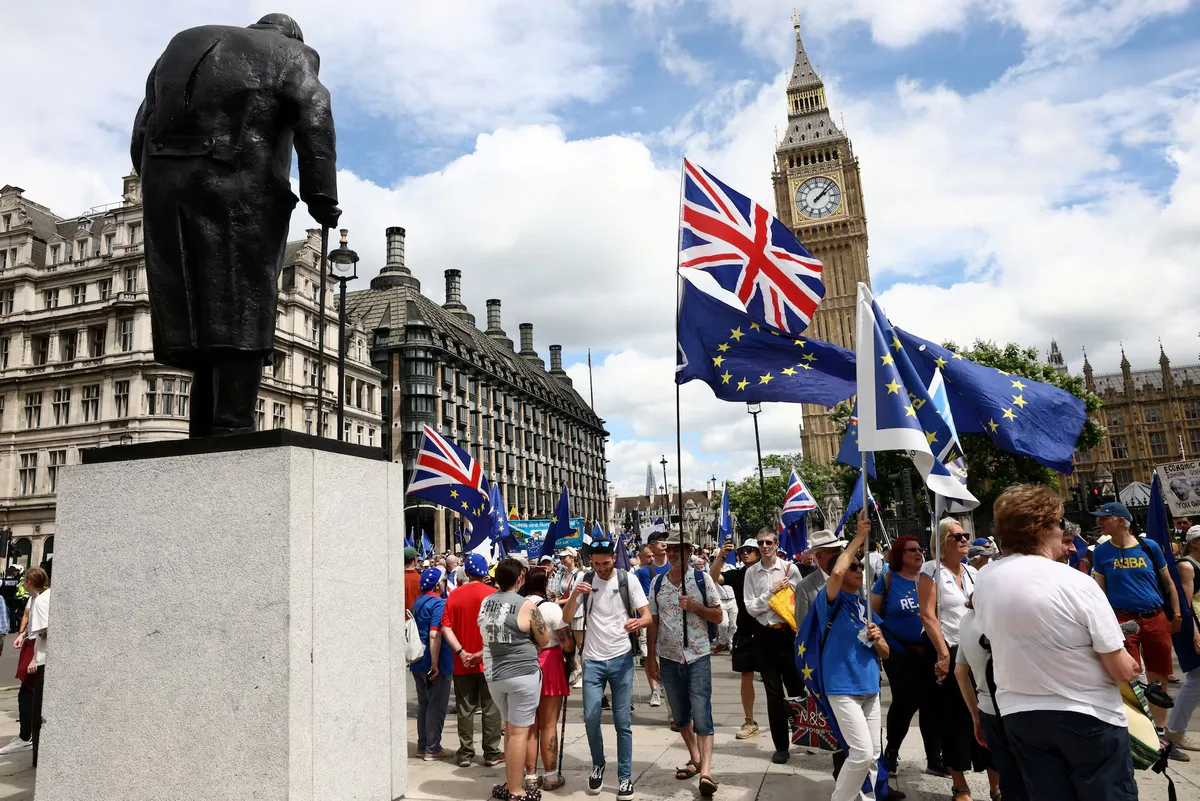
While not legally required, given the huge political U-turn it would represent, the EU would likely require proof that the matter is settled through a mandate of clear public support. Burnham would therefore be asking voters to approve terms materially worse than those Britain left, in an environment where Burnham’s closest political rival is the most prominent Brexiteer in British politics – Nigel Farage
The game that Burnham is playing is a risky one. As of October, Labour has regained its lead over Reform UK in the polls after Burnham secured the premiership in July. However, the electorate remains highly volatile, due in no small part to the widespread unpopularity of Keir Starmer.
Several Labour Members of Parliament occupying majority Leave seats have expressed their concern that Burnham’s move could inadvertently bolster support for Reform.
Farage has already capitalised on the announcement. He accused Burnham of breaking his May commitment not to rerun the Brexit debate, pressed him on the consequences of rejoining for net immigration, and thanked him for giving him the “biggest boost in [his] career”.
Reform is not the only opponent weighing its response. The Conservative Party, which recently had its annual conference from October 4 to 7, is divided on how hard to push back on the EU question.
The party’s deputy leader Alex Burghart has pledged to unpick parts of the government’s steps to deepen ties with the EU, while former West Midlands mayor Andy Street has warned his party that they must not fall into the political trap set by Burnham at the Labour Conference.
Street argues that a hardline stance on the EU question plays directly into Labour's hands by alienating centrist voters who could vote for the Conservatives in the next elections.
Leader of the Opposition Kemi Badenoch, in her speech, tactfully did not adopt a hardline stance or defend Brexit. Instead, she drew on the collective national trauma and bureaucratic deadlock of Brexit to paint the opening of the question as a recipe for endless chaos.
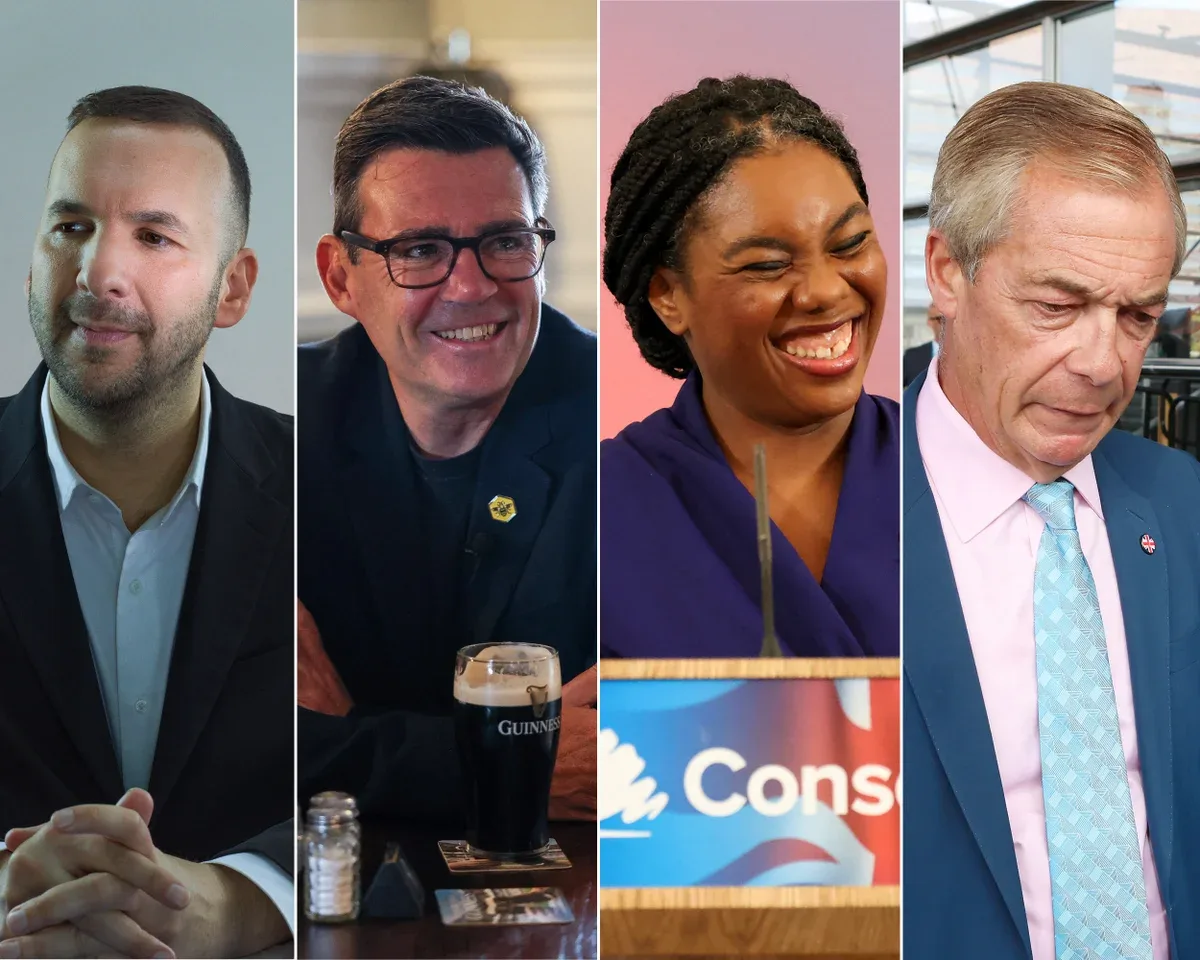
The Conservatives’ hesitancy is itself revealing: Street’s warning concedes that the issue favours Burnham. Crucially, the electoral logic is clear. By foregrounding the prospect of re-accession, Burnham gives pro-European voters a single point of consolidation, drawing them towards Labour rather than letting them fragment between Labour, the Liberal Democrats, and the Greens.
Given the circumstances, British re-accession to the EU appears politically unviable in the short term: Labour’s own red lines rule it out before 2029, and without its opt-outs it commands the support of only 35% of Britons surveyed.
Rather, Burnham’s announcement appears to serve a different purpose. It aims to restructure the British electorate in Labour’s favour around the EU question, as preparation for the next general election.
Burnham’s move is unlikely to win over Reform-leaning Leavers but may crucially attract Remainers who voted Conservative, Liberal Democrat or Green.
The true risk, however, is the potential loss of Leave-voting Labour seats. Whether the gamble proves a blunder, as Farage suggests, or a shrewd move, as Street’s warning implies, will only become clear at the polls in 2029.
What is already evident is that Burnham has shattered the post-Brexit consensus between Britain’s major parties and has dragged the question of the UK’s relationship with the EU back into the limelight once again.
SOURCES
Adu, Aletha. 2026. “Andy Burnham: UK Could ‘Go All the Way’ by Rejoining EU.” The Guardian. https://www.theguardian.com/politics/2026/sep/30/andy-burnham-uk-could-go-all-the-way-rejoining-eu (October 12, 2026).
Bloom, Dan, and Sam Blewett. 2026. “5 Takeaways from Kemi Badenoch’s Fighty Tory Conference Speech.” POLITICO. https://www.politico.eu/article/5-takeaways-from-kemi-badenoch-tory-conference-speech/ (October 12, 2026).
Difford, Dylan. 2026 “What Do Britons Think of Brexit, 10 Years since the Referendum?” YouGov. https://yougov.com/en-gb/articles/54925-what-do-britons-think-of-brexit-10-years-since-the-referendum (October 12, 2026).
Elgot, Jessica, and Ashley Kirk. 2026. “Tactical Voting at next Election Could Push Reform into Fourth Place, Poll Finds.” The Guardian. https://www.theguardian.com/politics/2026/sep/24/tactical-voting-uk-election-reform-fourth-place-poll (October 13, 2026).
Farage, Nigel. 2026. “Burnham’s Brexit Betrayal Will Divide the Country.” Reform UK. https://reformparty.uk/news/burnham-s-brexit-betrayal-will-divide-the-country (October 12, 2026).
Hymas, Charles. 2026. “Rejoining EU ‘Could Increase Net Migration by 200,000.’” The Telegraph. https://www.telegraph.co.uk/news/2026/10/04/rejoining-eu-net-migration-increase-200000-reform/ (October 12, 2026).
Jennings, Ben. 2026. “Ben Jennings on Andy Burnham’s Suggestion That the Brexit Question Could Be Revisited – Cartoon.” the Guardian. https://www.theguardian.com/commentisfree/picture/2026/oct/01/ben-jennings-andy-burnham-suggestion-brexit-question-revisited-cartoon (October 13, 2026).
Knuckey, James. 2026. “Labour civil war explodes as Burnham sparks huge row with own party - AOL.” AOL. https://www.aol.co.uk/articles/labour-civil-war-explodes-burnham-095100000.html (October 12, 2026).
Macaskill, Andrew. 2026. “UK PM Burnham Says Russia Interfered in 2016 Brexit Vote.” Reuters. https://www.reuters.com/world/uk/uk-pm-burnham-says-russia-interfered-2016-brexit-vote-2026-10-12/ (October 13, 2026).
Mason, Chris. 2026. “Why the Prime Minister Wants to Talk about Brexit Again.” BBC News. https://www.bbc.co.uk/news/articles/cxvgdql2y7zqo (October 13, 2026).
McKiernan, Jennifer, and Nick Eardley. 2026. “Andy Burnham to Push for New Post-Brexit Deals at EU Summit.” BBC News. https://www.bbc.co.uk/news/articles/cqev3xvejyvjo (October 13, 2026).
Merriman, Sam, and Martin Beckford. 2026. “Farage Thanks Burnham for ‘biggest Boost in My Career’ over Brexit.” Daily Mail. https://www.dailymail.com/news/article-16176219/Nigel-Farage-Andy-Burnham-gift-Reform-UK-Pandoras-box-Brexit.html (October 12, 2026).
News24. 2026. Andy Burnham ‘Opening up a Bit of a Pandora’s Box’ Following EU Comments. https://www.news24.com.au/politics/uk-politics/andy-burnham-opening-up-a-bit-of-a-pandoras-box-following-eu-comments/video/882599b59c7e60aca5ca41b3251570c9 (October 12, 2026).
Payne, Adam. 2026. “Tories Risk Falling Into Burnham’s Brexit ‘Trap’, Warns Andy Street.” Politics Home. https://www.politicshome.com/news/article/tories-risk-falling-burnhams-brexit-trap-warns-andy-street (October 12, 2026).
PollCheck. 2026. “`Latest UK Opinion Polls - Westminster Voting Intention Tracker.” PollCheck. https://www.pollcheck.co.uk/gb-polls (October 12, 2026).
Quinn, Ben. 2026. “Burnham’s Reopening of Brexit Debate Is ‘Biggest Boost in My Career’, Says Farage.” The Guardian. https://www.theguardian.com/politics/2026/oct/01/burnhams-reopening-of-brexit-debate-is-biggest-boost-in-my-career-says-farage (October 12, 2026).
Rankin, Jennifer. 2026. “Macron Says ‘Welcome Back’ to Burnham Suggestion UK Could Rejoin EU.” The Guardian. https://www.theguardian.com/world/2026/sep/30/macron-welcome-back-burnham-suggestion-uk-could-rejoin-eu (October 12, 2026).
The Labour Party. 2024. “Change: Labour Party Manifesto.” https://labour.org.uk/change/my-plan-for-change/.