The Fog Over Bulgaria: Between the Ballot Box and the Black Sea
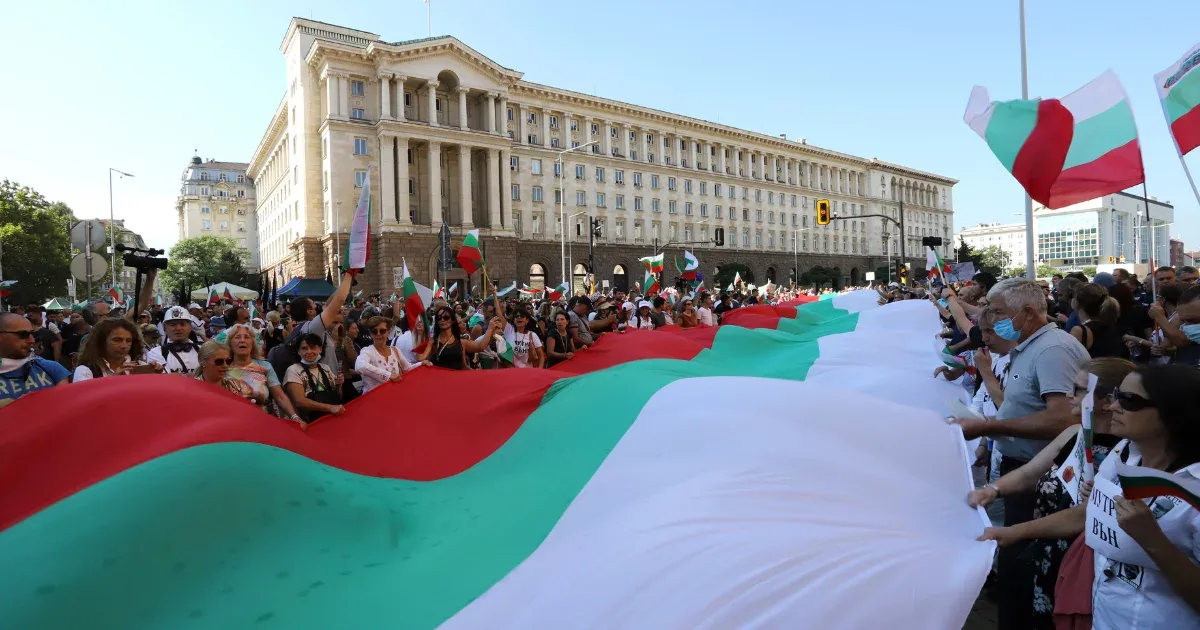
There are pros and cons to being from a country that usually does not make it to the headlines of journals.
When I say my nationality, I often get one of the following two responses: the very excited ‘oh, I’ve been to Sunny Beach’ (a resort famous among committed party tourists); or the confused ‘so, are you from Budapest’?
Very rarely does someone ask about my country’s huge emigration trend, endemic corruption, demographic decline or inadequate infrastructure. Recently, we have been known for having an allegedly ‘pro-Russian’ prime minister – yet another claim I am not proud to be associated with.
Frankly, I am relieved when I have to give a geography lesson instead of a political one. Because if someone asked me to describe the situation in Bulgaria, I would be endlessly searching the dictionary for words that explain the type of fog that has fallen upon my nation.
By ‘fog’ I mean the absence of a clear direction in front of Bulgaria, which makes its future uncertain and worrisome. The fog – a political, socio-economic, and psychological perplexity that my country of birth has been experiencing for decades, if not centuries.
In Bulgaria, we like to talk about politics – in spite of not having a stable government that would last longer than a year since 2021. I turned 18 in 2021, and since then I have voted six times for the parliament and twice for the president.
As the reader of this article might assume – Bulgaria likes to make choices. Perhaps the problem is not that Bulgarians make too many choices; rather, it is that very few of them seem to be bringing us closer to the stable democratic society we have been pushing for since the fall of the communist rule in 1989. Elections are becoming a seasonal occurrence and a reason to catch up with friends over coffee after voting on a Sunday afternoon.
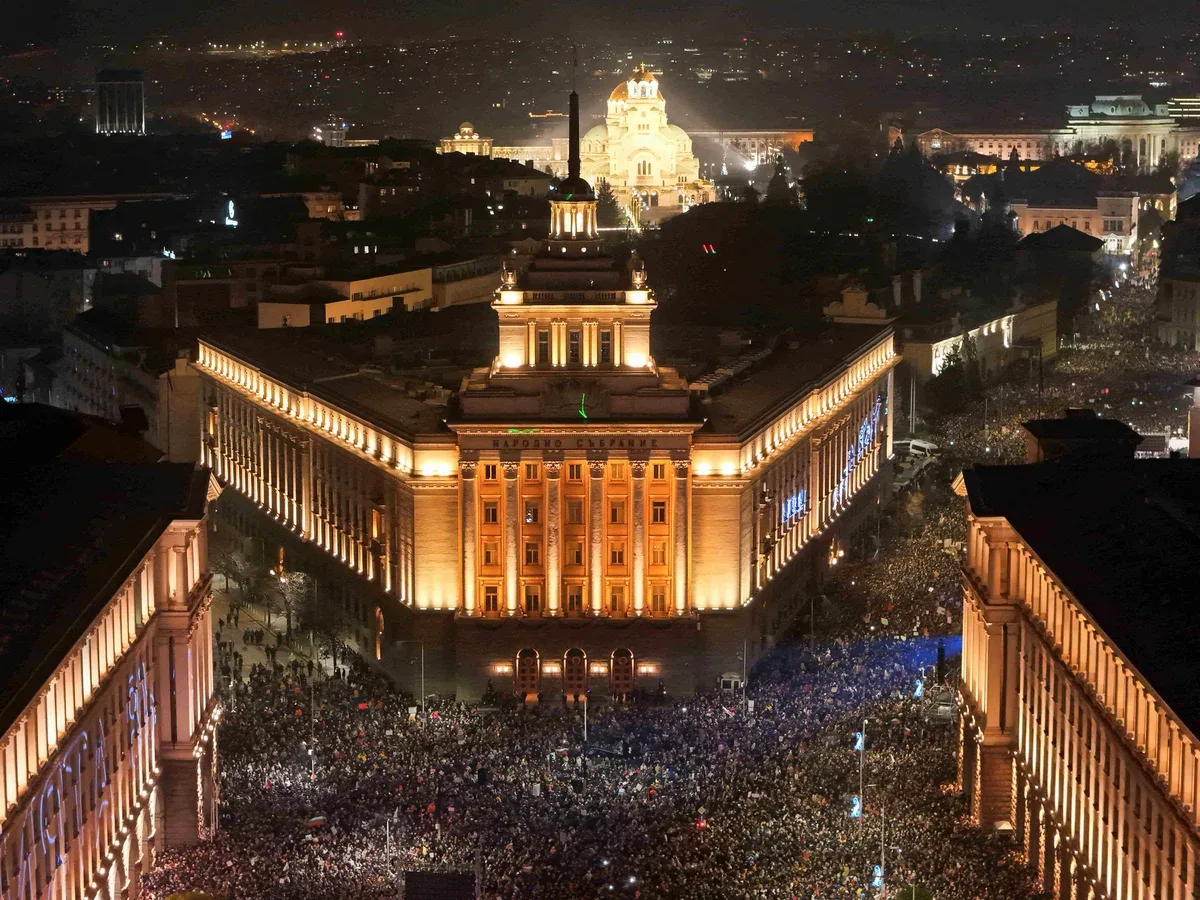
In December 2025, Bulgaria felt a sense of unity for the first time in a long time. We protested – and we made it to the front pages of major international news outlets such as The Guardian, The New York Times, Reuters, etc. We demanded accountability and an end to the corruption in the country.
For a moment – we felt hope, clarity, and purpose. The fog seemed to be lifting.
But the months that followed raised new questions. They exposed not only shifts in the concentration of political power, but also the increasingly complex position of Bulgaria in the geopolitical landscape.
Two major developments acted as turning points: the election of Bulgaria’s first female president and the drone attacks on vessels in the Black Sea. A historic moment in Bulgarian politics, against the backdrop of a growing security threat at our eastern doorstep.
Together, they tell something about Bulgaria’s struggle to make determined choices, to escape the fog and to find its direction.
On November 1st, Bulgaria elected its first female president – Iliana Iotova. This was a historic moment for the country. The discussion regarding Iotova’s election, however, has not centered around female representation in national politics.
International media, such as Balkan Insight and the Financial Times, have called Iotova a ‘pro-Russian’ candidate who pledges a reset with Russia. The situation is a bit more nuanced than that, as in general, Iotova has been careful to not undermine Bulgaria’s orientation towards the UN and NATO.
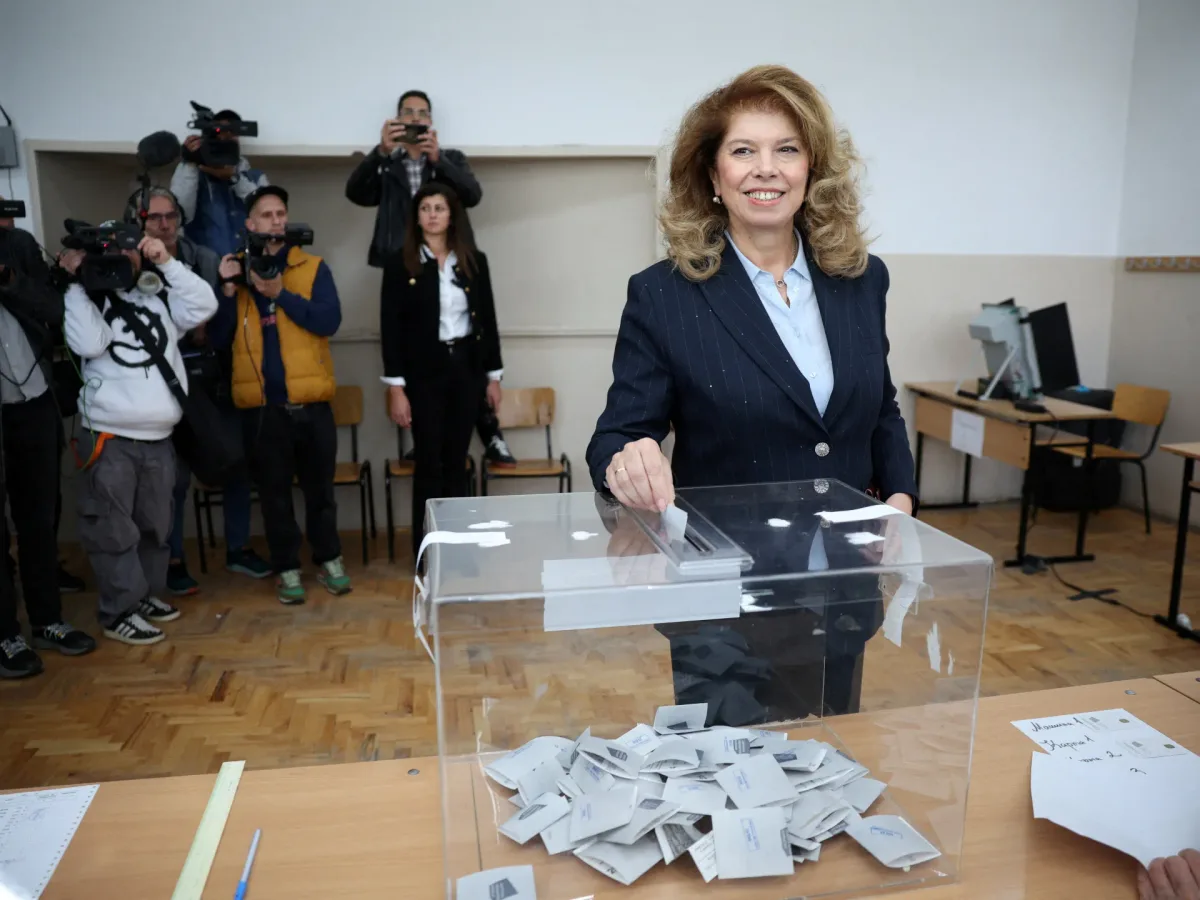
It is true, nevertheless, that her election provides a political boost for the current Prime Minister Rumen Radev, who had backed her since the start of the campaign.
Iotova has previously served as Radev’s vice president. From January 2017 until January 2026, the two occupied Bulgaria’s presidential office together. In 2026, shortly after the Gen Z-led protests of December 2025, which led to the resignation of the parliament at the time, Radev resigned from his presidency to enter parliamentary politics.
His newly established political party ‘Progressive Bulgaria’ was created within months, and in April 2026, it won an absolute majority. Radev became our prime minister.
There is nothing inherently undemocratic about these transitions. However, there are valid concerns regarding the distribution of political power and the independence of Iotova’s presidency.
During the election debates, Iotova advocated for more conversations with Russia (BTV News 2026). This comes as no surprise given her ties with Radev. Radev has been described by critics and international media as a pro-Russian politician, whose positions on the war in Ukraine diverge from those of the EU.
One of the strongest pieces of evidence for Radev’s orientation towards the East was his controversial statement that ‘the reality of Crimea is Russian’, despite Russia’s illegal annexation of the Ukrainian peninsula. Radev also consistently opposed Bulgaria’s military assistance to Ukraine, arguing against the supplying of weapons and advocating for the resolution of the conflict ‘through other, more diplomatic means’ (Свободна Европа 2024).
‘Bulgarian money should not be used to fuel the war’ has been his main argument against the military aid to Ukraine due to the potential economic harm to the country (BNR 2026). He has cited George Orwell when claiming that the sending of military aid and any type of financial support is contrary to our values of peace and human life (President of the Republic of Bulgaria 2023).
Radev rejects the label ‘pro-Russian’, describing himself as purely ‘pro-Bulgarian’. But what does ‘pro-Bulgarian’ actually mean when the country’s security, EU commitments and relations with Moscow pull in different directions? And where does the Bulgarian interest actually lie, and who gets to decide?
This question has become all the more relevant given the concerning situation along Bulgaria’s coastline, which has turned Russia’s war in Ukraine from a distant reality to a real concern for Bulgarian citizens.
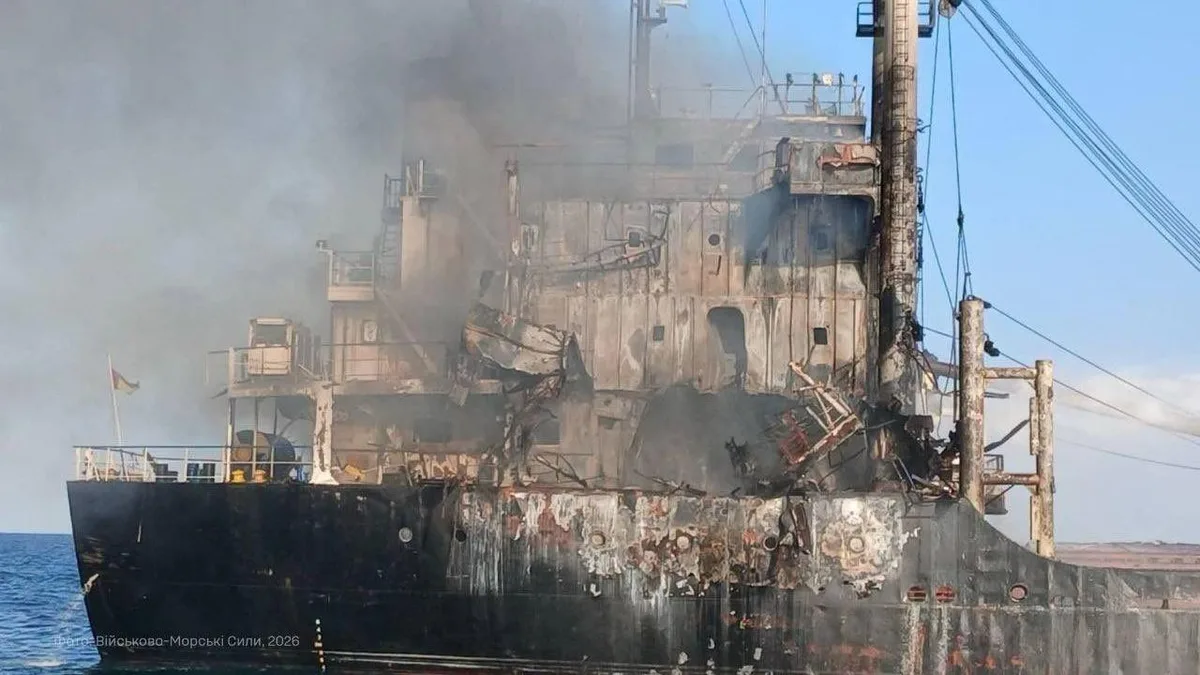
What is happening in the Black Sea? A place previously associated with summer holidays and party tourism? And what questions does it raise about Bulgaria’s foreign policy and political direction?
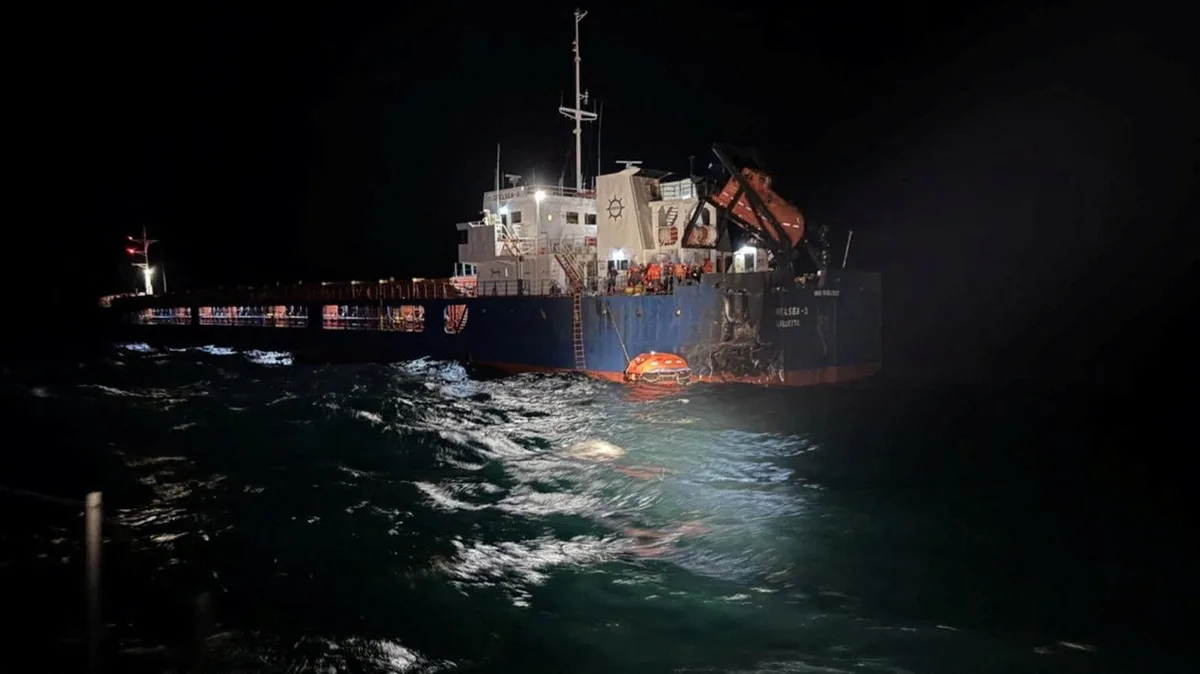
Since October, at least a dozen cargo ships and tankers have been struck by drones near the coasts of Bulgaria and Romania, turning the Black Sea into the world’s deadliest waterway currently (CNN 2026).
According to tracking services and the governments of the two countries, 30 sailors have been confirmed dead or are missing. Videos on social media show capsized ships and surface drones zeroing in on vessels. Russia is the main suspect for the attacks.
Bulgaria’s Defence Minister Dimitar Stoyanov said that the circumstances pointed towards Russia, while even Prime Minister Radev argued that Ukraine had little reason to attack its own ships and summoned the Russian ambassador (BTA 2026).
He nevertheless acknowledged the lack of conclusive proof regarding the origin of the attacks. As the situation started to intensify, Bulgaria began mobilizing its defense, asking NATO to deploy combat aircraft and anti-drone systems on 16 October.
The EU’s response was at first fragmented. But on 22 October, the European Parliament adopted a resolution calling for Russia to stop the attacks on commercial vessels, and advocating for stronger surveillance systems and security mechanisms in the Black Sea (according to the Legislative Observatory).
Practical monitoring support and satellite imagery have been offered to Bulgaria and Romania. The Bulgarian Prime Minister asked for the establishment of a moratorium on attacks against civilian and commercial ships in the Black Sea, which was supported by the European leaders and complemented by additional financial support for Bulgaria’s search-and-rescue capabilities.
However, despite the EU and NATO’s strong condemnation of the attacks and improved monitoring of the Black Sea waterways, all vessels remain exposed to potential future attacks.
The drone attacks in the Black Sea are a serious concern not only for Bulgarians and Romanians, but for the whole EU, as well as NATO. When a war that once seemed distant reaches the coastline of a country with an unclear geopolitical position, what is needed is decisive action and coordination on multiple levels.
Serious choices have to be made, but obligations and commitments must be fulfilled. Bulgarian political leaders are trying to establish a new political direction that prioritises the national interest while balancing its partnerships and relations with other states.
The Black Sea, essentially, has become a test for Bulgaria’s new leadership. It challenges us to reflect on what our national interest actually means in practice and how we can best pursue it.
And while the politicians in power make choices for all of us, Bulgarians do what they best do: come together to talk, complain, and, if needed, act to achieve change, no matter how many more years it will take.
It has been taking us years to escape political instability, to fight corruption, and to build a stronger social culture.
A government with an absolute majority may have put an end to the endless cycle of elections between 2021 and 2026, but it has not resulted in a clearer foreign policy direction… yet.
On the other hand, calling for diplomacy with Russia has not turned Bulgaria into a safer place, nor have its political leaders been seen as advocates for peace on the international scene, despite their peace-focused rhetoric.
What this overview of Bulgaria’s current security issues and national political landscape shows us is that while many choices are being made, clear direction might still be missing.
Although in Bulgaria, we have become used to living in a ‘fog’ about many issues that seem unresolvable, there is an inexplicable sense of hope and belonging that ties Bulgarian communities together and has always prevented any sort of complete collapse. Foggy, thus, does not mean doomed.
SOURCES
Balkan Insight. 2026. “Bulgaria’s Presidential Election Winner Pledges Reset with Russia”. https://balkaninsight.com/2026/11/02/bulgarias-presidential-election-winner-pledges-reset-with-russia/bi/
BNR. 2026. „Радев: България няма да участва в новата помощ от 70 млрд. евро за Украйна“ (“Radev: Bulgaria will not take part in the new military aid of 70 billion euros to Ukraine”) (Bulgarian National Radio). https://bnrnews.bg/radiobulgaria/post/556287/radev-balgariya-nyama-da-uchastva-v-novata-pomosht-ot-70-mlrd-evro-za-ukrayna
BTA. 2026. “Defence Minister Suspects Russian Involvement in Latest Black Sea Ship Attacks”. https://www.bta.bg/en/news/1223717-defence-minister-suspects-russian-involvement-in-latest-black-sea-ship-attacks
BTV News. “От войната в Украйна до инфлацията и помилванията: Основните послания на Илияна Йотова в президентския дебат.” (From the war in Ukraine to inflation and pardoning: Iliana Iotova’s main messages in the presidential debate). https://btvnovinite.bg/novite-izbori/ot-vojnata-v-ukrajna-do-inflacijata-i-pomilvanijata-osnovnite-poslanija-na-ilijana-jotova-v-prezidentskija-debat.html
CNN. 2026. Russian drone attacks turn the Black Sea into the world’s deadliest waterway. https://edition.cnn.com/2026/11/03/europe/ukraine-black-sea-drone-attacks-intl
Financial Times. 2026. “Bulgarians re-elect pro-Russian president”. https://www.ft.com/content/c1565a1b-9962-40d2-a764-5a19d0f3c700?syn-25a6b1a6=1
Лавчиев Николай. 2026. „Орбан е пример, олигархията е безименен враг, няма ляво - няма дясно. Какво каза Радев в първото интервю след оставката“ (Orban is an example, oligarchy is a nameless enemy, there is no left or right. What did Radev say in his first interview after his resignation.) Свободна Европа. https://bulgaria.rferl.org/a/rumen-radev-oligarhia-orban-peevski-borisov-intervu/33666924.html
Legislative Observatory. 2026. “Resolution on the escalation of Russian strikes in the EU, particularly on Black Sea shipping, threatening human life, regional stability and food security”. https://oeil.europarl.europa.eu/oeil/en/document-summary?id=1920919
President of the Republic of Bulgaria. 2023. “Президентът: С призивите да се постигне „мир чрез война“ стремглаво летим към антиутопията на Оруел” (The President: With the calls to achieve “peace through war” we are falling into Orwell’s anti-utopia).
Свободна Европа. 2024. „Радев се похвали, че е провалил общ призив за военна помощ за Украйна“ (“Radev is bragging that he prevented a call for military aid to Ukraine”) https://bulgaria.rferl.org/a/radev-deklaracia-ukraina-voenna-pomosht/32988198.html
https://oeil.europarl.europa.eu/oeil/en/document-summary?id=1920919