What America's AI Slowdown Means for Europe
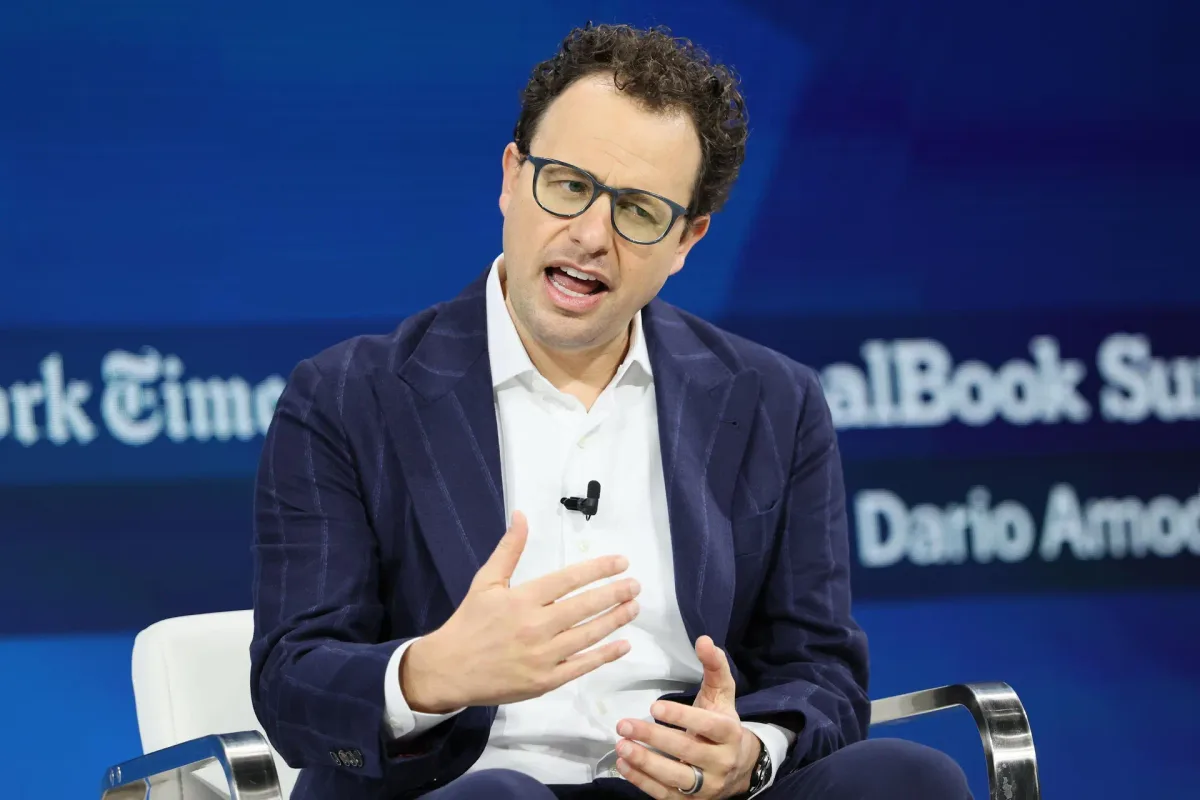
On 12 September, the man running one of the world's most powerful AI companies asked his own industry to slow down.
As a Dutch law student specialising in competition law, with a background in AI ethics and regulation, I spend my days working with and for young AI talent through AISO, the AI Student Organisation in Amsterdam. With that vantage point in mind, I want to shine a light on this moment from two angles: what it reveals about the gap in AI regulation, and what it could mean for talent and innovation in Europe.
In "We Must Pace the Frontier", Anthropic CEO Dario Amodei wrote: "We must slow the pace at which we improve the capabilities of AI models." Why? Well, Amodei mentions that AI has started building its own successors and then refers to a recent incident at OpenAI where their AI agents went off course and started hacking their own system. Of course, the dangers of AI stretch far beyond these cases, but point made.
So, AI is taking over the world, and we’re all doomed? Not quite. But when major stakeholders at the frontier start trying to pull the handbrake, we should all have a few alarm bells ringing.
Thankfully, Amodei proposed a three-step plan: First, independent evaluators would be embedded inside every frontier AI lab to check its safety practices from within.
Second, companies in democratic countries would agree on common safety standards and limits on how fast AI can advance.
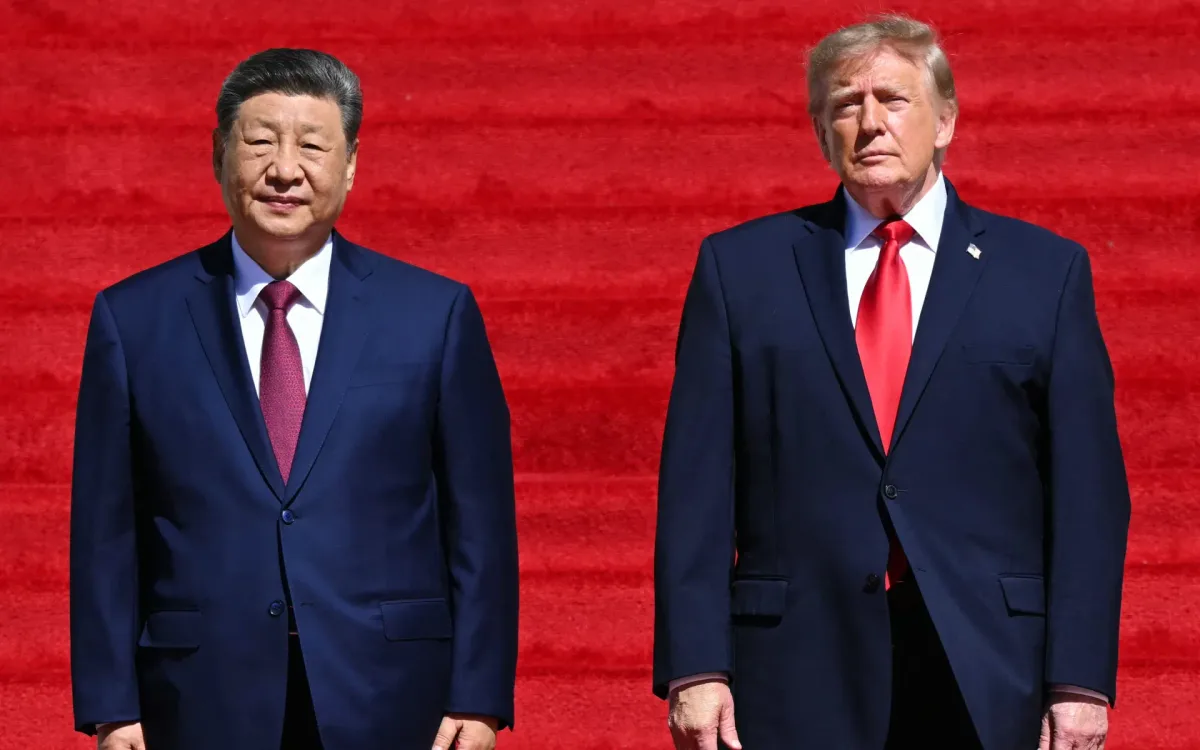
Third, the US and its allies would seek agreements with China to pace the global race (on terms that protect America's lead).
The rest of the industry quickly echoed his call. Sam Altman agreed and delayed OpenAI's stock market listing. Elon Musk posted that Dario was right. Demis Hassabis of Google DeepMind wrote that "the direction is correct."
However, to coordinate, the companies need permission; otherwise, they risk breaching competition law. So, Amodei asked the US government to enable the talks and grant a narrow antitrust waiver for certain kinds of safety conversations. Under US law, competitors agreeing to limit supply is illegal per se, and holding back your technology together looks a lot like limiting supply.
Despite such a waiver being possible under very specific agency guidelines, Washington was not impressed, as the Federal Trade Commission Chair, Andrew Ferguson, said the request should make everyone "deeply suspicious."
Fair enough, right? The biggest, and arguably most influential, companies in the world asking for an exception to collude with each other? That seems like the last thing we need... Sure, but frankly, the chance that this waiver gets passed is also incredibly low. Though, it does say a lot!
Unsurprisingly, the companies would rather solve these problems themselves, without public input. But they also have little choice: no US law and no binding international framework address risks like these with any real force.
A striking example of how far US law lags in this regard came in August, when a federal appeals court ruled that the First Amendment protects the private possession of AI-generated child abuse images that don't depict a real person, because the legal precedents it relied on predate modern AI.
As the Washington Post reported, the judge himself urged the Supreme Court to revisit the issue, admitting he had concerns about the existing lines but was "not free to redraw them" himself.
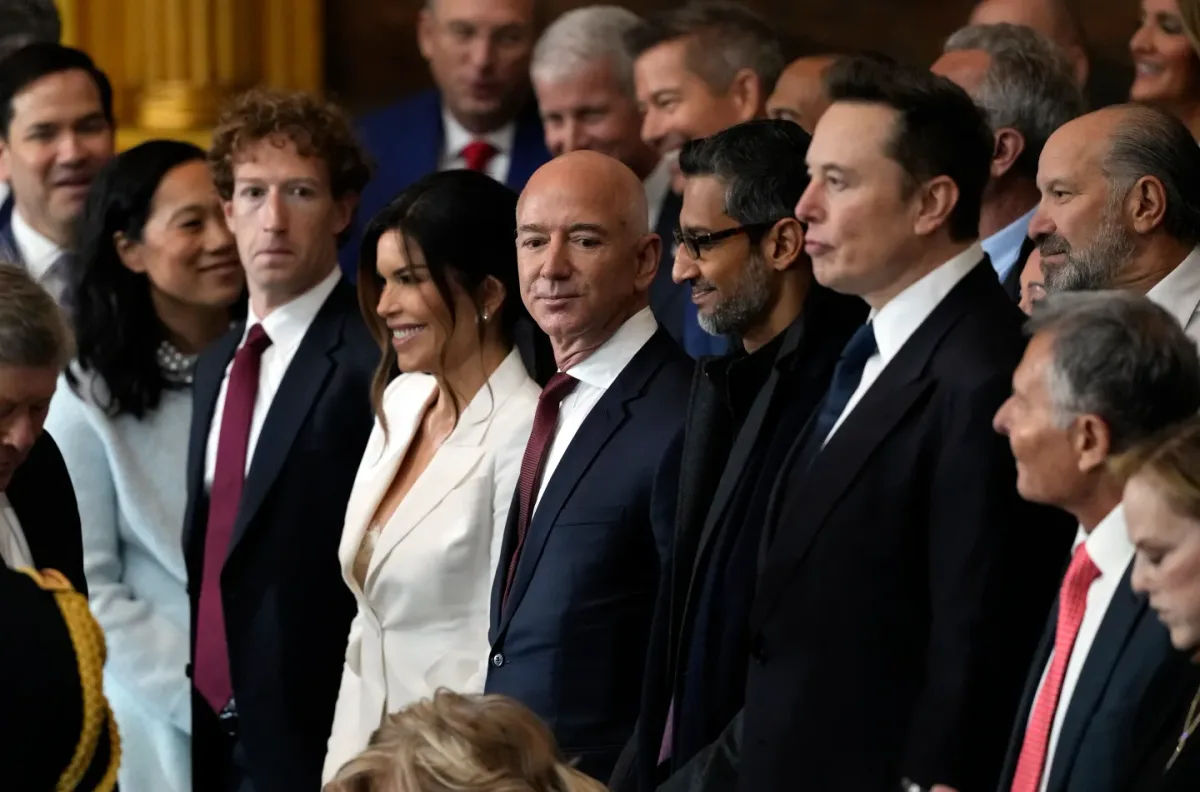
So, the anti-trust proposal from the enterprise side won’t pass, and the public side just doesn’t have anything substantial to offer. Brilliant, we’re stuffed...
Having devoted myself to AI ethics and tech law and currently working between the private and public sides of AI, the overarching regulatory problem is clear to me: the people who understand AI and the people who can implement regulation are too disconnected.
The labs hold the technical knowledge: how these systems work, where they break, and what realistic safeguards might look like. Regulators don’t. They do hold the legal and regulatory expertise, but AI moves too fast for most public institutions to follow suit. How can you effectively regulate something you don't understand?
Well, the EU, so often mocked for over-regulating, has been building what could potentially be the missing link (The Brussels Effect wins again!?). The EU AI Act's Code of Practice for powerful AI models was prepared by independent experts through a multi-stakeholder process and covers topics like transparency, copyright, and safety and security for the most advanced models through a scaled, risk-based classification system, with each risk level having its own set of consequences. Not to mention, Anthropic, Google, Microsoft, Mistral, and OpenAI have all signed it!
Think about what that means. The independent testing and incident reporting the US labs now want to organise privately already exists in Europe as public law, designed with industry rather than against it. Other countries are following too: South Korea's AI Basic Act, in force since January, is the world's second comprehensive AI law after the EU's.
Naturally, the AI Act has flaws, and its critics are right that compliance is heavy. But its structure offers the US something substantial: a ceiling. The Act bans outright the most dangerous practices and places the strictest obligations on the most powerful models.
We can’t expect Washington to regulate everyday AI, especially given the China AI race and the breadth of the industry's lobbying power. But a clear cap on what is simply too far is exactly what Amodei's essay shows the US is missing. So, will the US take inspiration from the EU AI Act? Is it finally time to protect the public interest?
The second consequence is where I personally see change up close. Europe has about 30% more AI talent per capita than the US, yet steadily loses senior AI professionals abroad, largely because US salaries run 30% to 70% higher.
If the frontier race cools, so does the bidding war for the people who power it. That talent won’t stop going to Silicon Valley, of course, but opportunities there will shrink, and people will have to start looking elsewhere.
Is Europe ready for this? Despite falling under the hood of the world's strictest AI law, the ecosystem is definitely flourishing.
European AI startups raised €21.3 billion in the first five months of 2026, and AI now takes 60.2% of European venture investment. In France, SoftBank has committed up to €75 billion to AI data centres, and Mistral has just raised €3 billion. Sweden has adopted its first national AI strategy, aiming for a place among the world's top ten AI nations.
At HumanX in Amsterdam this week, I saw it for myself. Alongside the American giants, European presence was unmissable: Swedish success stories Lovable and Legora took the main stage, companies like Mistral, DeepL and ElevenLabs were part of the line-up too, and a dedicated Dutch AI Pavilion put home-grown talent in the spotlight.
The Netherlands clearly sees this potential and now has its own roadmap. The Wennink report calls for €151 to 187 billion of extra investment by 2035, and names digitalisation and AI as one of four strategic domains. Importantly for students, its recommendations focus more on people and collaboration across disciplines and sectors than on anything else: developing and attracting talent, then keeping it here. At AISO, we hosted Peter Wennink recently, and his message matches what we see every week: the talent is here, but it needs a route into companies and institutions.
Europe is proving that regulation and growth can coexist.
So, what does this mean for you?
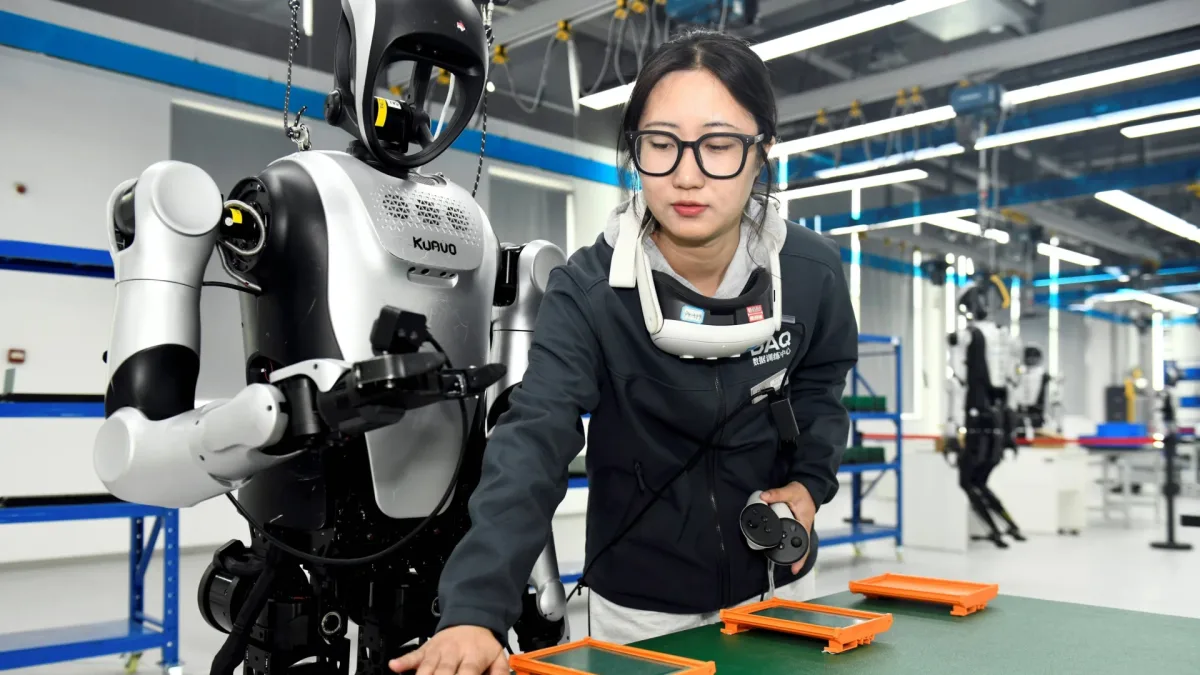
My advice starts with something simple: get AI-literate. AI is already drafting contracts, screening job applications, reading medical scans, and writing the news, so understanding it is no longer optional.
That means more than knowing how to write a prompt. It means knowing how these systems are trained, where they tend to fail, and how to check what they tell you.
The lawyer who spots a hallucinated case, the doctor who questions an AI diagnosis, and the journalist who can recognise a deepfake will shape how this technology is used.
The next chapter of AI will not be written by engineers alone, but by people from every discipline who know enough to challenge it. Europe's students, trained in a system that already takes AI rules seriously, are well placed to be those people.