Can a Financial Scandal End 24 Years of Erdoğan's Rule?
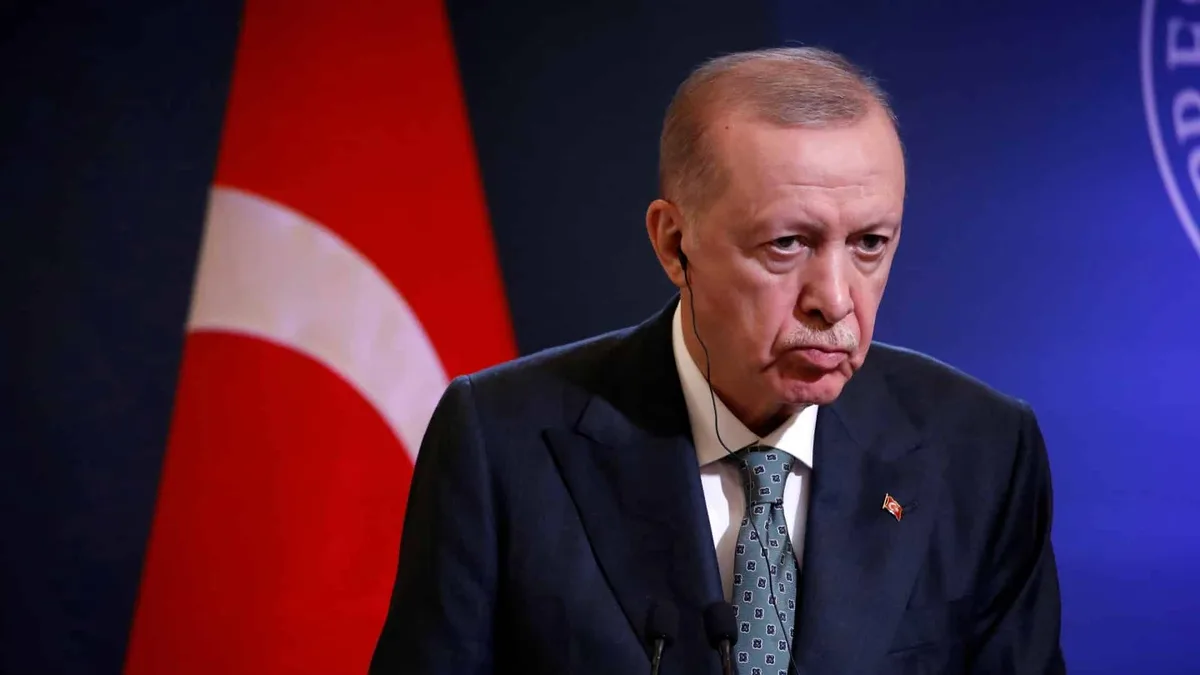
Turkiye just faced one of its biggest economic scandals in history.
On the tip of the iceberg, this multi-billion-dollar scandal affected half a million Turkish people directly; in the submerged part of the iceberg, this affected the whole Turkish economy.
This scandal not only shook Turkiye’s already struggling economy, it also undermined trust in the judicial system. This now leads to a bigger question: could the funding fiasco in Turkiye have an influence on the 2028 elections?
On September 16, 2026, an investment fund called Tera announced that it could no longer pay some investors who wanted to withdraw their money.
Two days later, Turkiye’s market regulator, the Capital Markets Board (SPK), had ordered the liquidation of 131 funds holding the savings of nearly 456,000 investors.
The Istanbul Chief Public Prosecutor’s Office alleged that some investment funds were used to artificially inflate the prices of thinly traded stocks. As those share prices rose, so did the reported value of the funds that held them. When more investors tried to withdraw their money, some funds struggled to sell enough shares to raise the cash they needed.
While investors were waiting for their repayments, the money that should be paid became a subject of debate. While 456,000 people were waiting for their money, some argued that the government should not foot the bill.
The government eventually introduced interim payments based on how much each investor had put in, minus any previous withdrawals, with a cap of 1 million lira per fund.
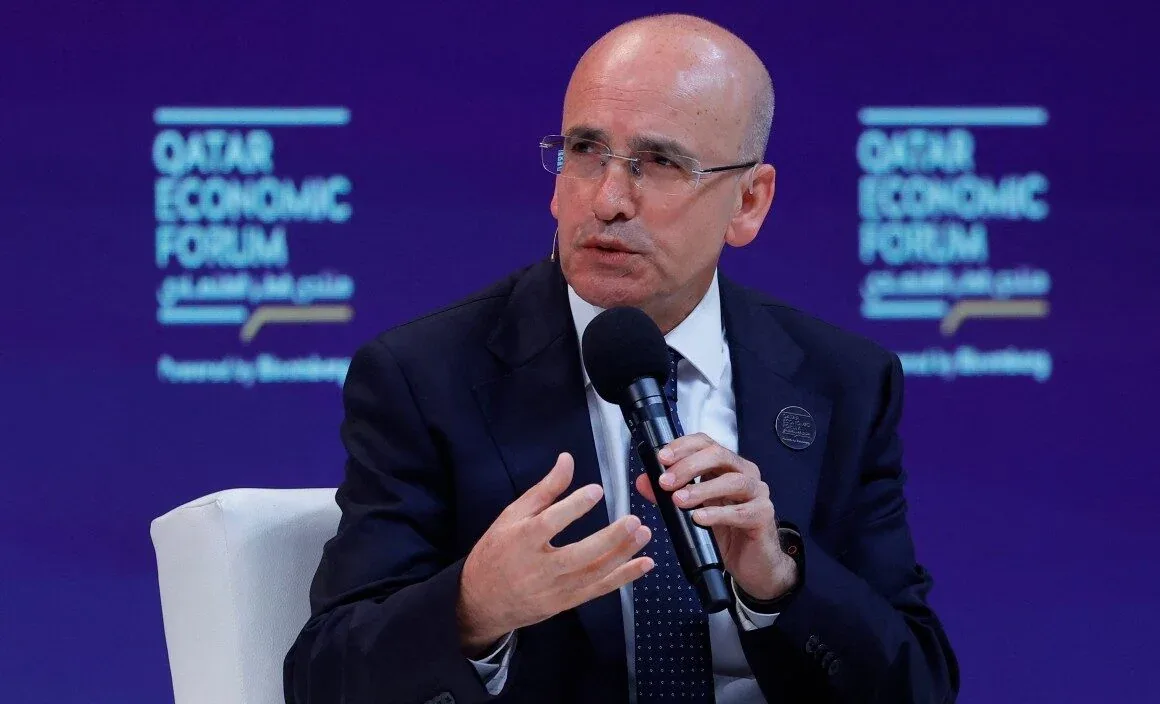
Arrests immediately started, and in the first wave of the investigation, four people were remanded in custody over suspected stock market manipulation.
The investigation soon widened; people from both economic and political backgrounds were arrested, including stockbrokers, senior executives, finance professionals and politicians.
According to the Ministry of Justice, in total, there are 464 suspects in the investigation. Of those, 120 were in pretrial detention, 262 were subject to judicial restrictions, and 40 were wanted by police.
Three more people were remanded in custody on November 11, bringing the reported total to 123. Authorities froze assets and blocked bank accounts belonging to 386 individuals and 116 legal entities. About 31.5 billion lira in cash, property and shares had been voluntarily returned to a fund set up to repay investors.
The most important part of these arrests was on politicians. This fund fraud made clear that lots of politicians from Erdoğan’s party AKP took advantage of this situation and were accused of stock market manipulation.
The allegations involving figures from Erdoğan’s ruling party sparked public anger.
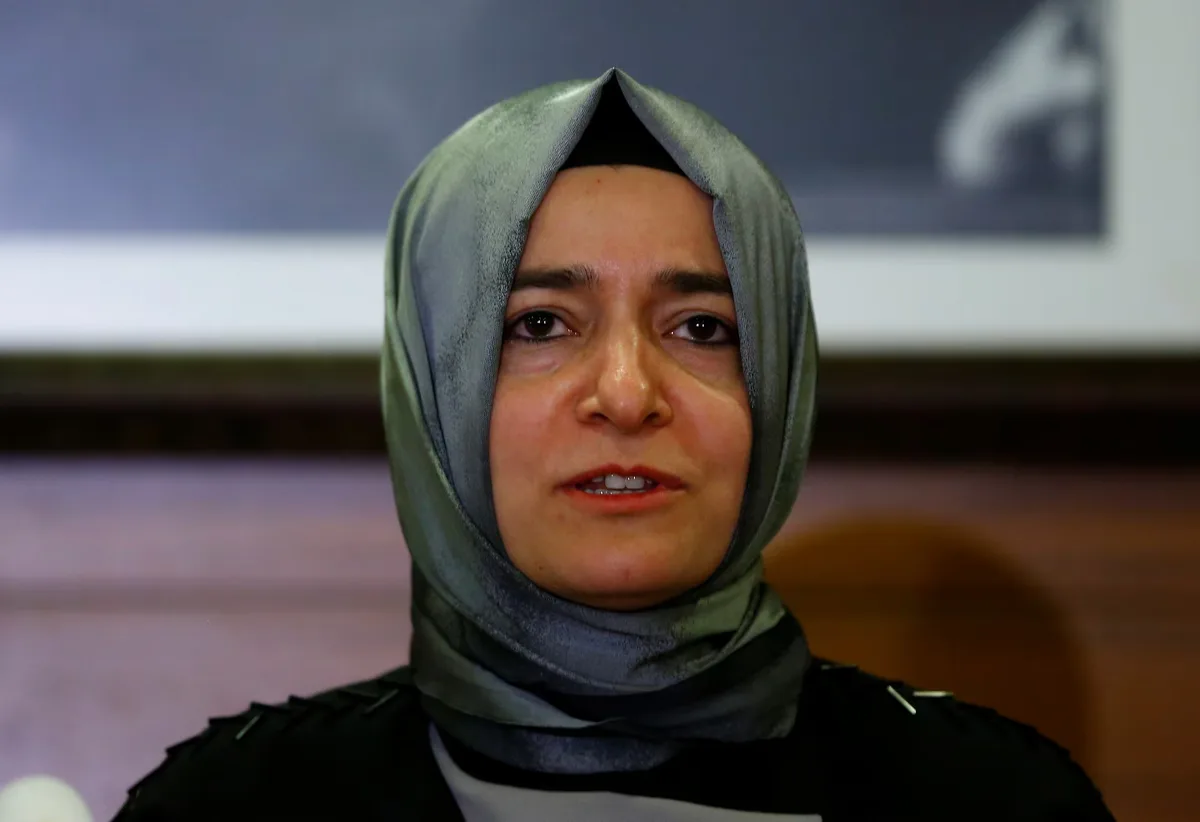
Fatma Betül Sayan Kaya, a former minister and deputy chair of the AKP, came under investigation for share sales. According to the main opposition party's (the YENİ Party) spokesperson Zeynel Emre, Kaya bought about 63.4 million lira worth of shares in Özata Denizcilik in April and later sold them for around 1.34 billion lira.
Prosecutors say she transferred the shares to Tera Yatırım, one day before regulators ordered the funds’ liquidation. They allege that she knew about the decision in advance.
After opposition spokesperson Zeynel Emre’s claims on 26 September, Fatma Betül Sayan Kaya was summoned for questioning for the first time on 7 October and was questioned again on November 5. She was arrested on November 6 on suspicion of violating Türkiye’s Capital Markets Law and belonging to a criminal organisation.
Kaya was one of several figures with ties to the ruling AKP who came under investigation.
Another was Ertan Aydın, a former AKP lawmaker who served as an adviser to Erdoğan when he was prime minister. Aydın had also served on the board of Tera Yatırım, one of the firms at the centre of the inquiry. He was initially placed under house arrest. After prosecutors appealed that decision, a judge remanded him in custody on October 25.
As more politicians and businesspeople were taken into custody, public anger over the scandal persisted.
Many households in Turkiye were already struggling with the rising cost of living. Annual inflation stood at 29.77 per cent in October, according to the Turkish Statistical Institute (TÜİK), and the monthly take-home minimum wage was about 28,075 lira.
Against that backdrop, allegations that politically connected figures had made billions of lira from share trades drew public outrage.
Erdoğan addressed the scandal publicly for the first time on 24 September. He spoke at the Turkish House in New York, where he was visiting for the United Nations General Assembly. He stated that the problem was limited to a handful of funds and that anyone responsible would be held accountable. Later on, he stated that the crisis is being handled “with a surgeon’s precision” on October 16.
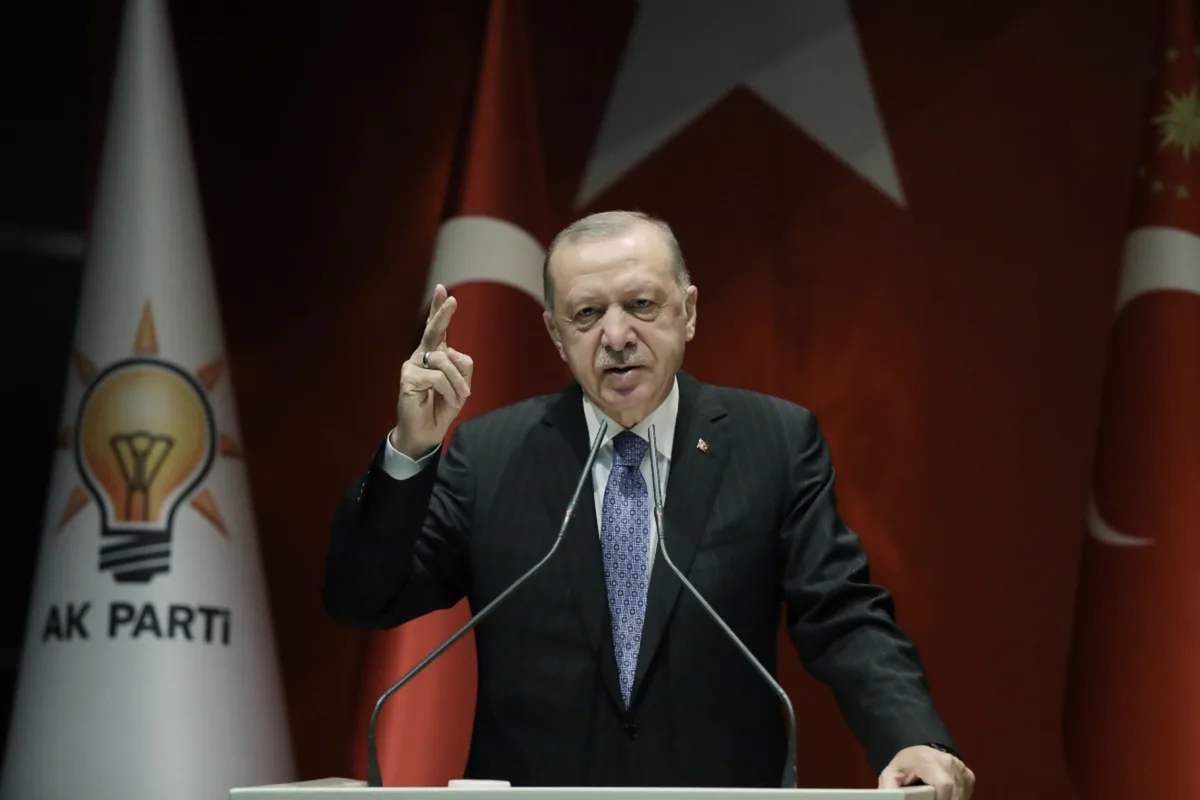
While Erdoğan and Justice Minister Gürlek continued to state that authorities are going to take care of this situation, tensions in the AKP kept growing. The fund scandal exposed divisions within the ruling AKP. Some party figures turned on their own colleagues, publicly criticising those accused of involvement in the alleged fraud.
Newspapers that support the Erdoğan government also criticized this affair very openly. In Sabah Newspaper, Dilek Güngör questioned why regulators had taken so long to act, and in Hürriyet Newspaper, Abdülkadir Selvi wrote that the scandal had already cost the AKP support.
For people who already struggle with the high cost of living and challenging economic conditions, the large scale of alleged profits keeps their anger growing. In a survey by ASAL Research conducted in October, 16.5 per cent of respondents named the fund crisis as Turkiye’s most important problem, putting it second behind the economy and the cost of living.
When ASAL asked who bore the most responsibility for the crisis, 45.6 per cent pointed to regulators and oversight bodies. A separate Ank-Ar survey found that 31.9 per cent put the main responsibility on the government and its economic team, including 15.9 per cent among AKP supporters.
The elections are only two years away, and AKP has been in power for 24 years. This brings the question: will this fund fiasco be powerful enough to change this 24 years of power?
An October poll by Areda Survey put support for the AKP at 31.3 per cent, down from around 35 per cent in August. The same survey found that 55.1 per cent of respondents saw the investigation and arrests of figures close to Erdoğan as an attempt to create the appearance of accountability, while only 14.8 per cent believed authorities were pursuing those truly responsible.
The survey does not establish how much of the decline in AKP support was caused by the scandal, but it reveals widespread scepticism about the investigation.
With elections due in 2028, the AKP faces a challenge that extends beyond recovering investors’ money: restoring public trust.
SOURCES
Arifoğlu, M. (2026, September 24). Cumhurbaşkanı Erdoğan’dan fon soruşturması mesajı: Türkiye ekonomisine yönelik bir risk söz konusu değil. Hürriyet. https://www.hurriyet.com.tr/gundem/cumhurbaskani-erdogan-turkevinde-gazetecilere-konustu-43318436
Boran, H. D. (2026, October 23). Fon skandalı iktidar tabanında nasıl yankılandı? BBC News Türkçe. https://www.bbc.com/turkce/articles/cqm2d199d7vko
Fatma Betül Sayan Kaya tutuklandı. (2026, November 6). Gazete Oksijen. https://gazeteoksijen.com/turkiye/fatma-betul-sayan-kaya-tutuklandi-295189 gazeteoksijen.com
Merkezi, H. (2026a, October 13). ASAL Araştırma Ekim 2026 anketi: Yurttaşa göre Türkiye’nin en önemli sorunu ne? Copyright (C) 2025 Yeni Gün Haber Ajansı Basın Ve Yayıncılık a.Ş. https://www.cumhuriyet.com.tr/turkiye/asal-arastirma-ekim-2026-anketi-yurttasa-gore-turkiye-nin-en-onemli-sorunu-ne-2546162
Fon krizi anketi: Hükümeti sorumlu tutanların oranı yüzde 42,2 oldu; AKP ve MHP’nin oy oranları nasıl etkilendi? (2026, November 11). T24. https://t24.com.tr/foto-haber/fon-krizi-anketi-hukmeti-sorumlu-tutanlarin-orani-yuzde-422-oldu-akp-ve-mhpnin-oy-oranlari-nasil-etkilendi,42928
Merkezi, H. (2026b, November 12). Areda Survey’den son seçim anketi: Fon vurgunu AKP’nin oylarına nasıl yansıdı? Copyright (C) 2025 Yeni Gün Haber Ajansı Basın Ve Yayıncılık a.Ş. https://www.cumhuriyet.com.tr/turkiye/areda-survey-den-son-secim-anketi-fon-vurgunu-akp-nin-oylarina-nasil-yansidi-2555574
Servisi, P. (2026, September 29). Yeni Parti Sözcüsü Zeynel Emre: “Fon vurgununda bakanlar, bakan yardımcıları ve milletvekilleri var.” Evrensel. https://www.evrensel.net/haber/6002624/yeni-parti-sozcusu-zeynel-emre-fon-vurgununda-bakanlar-bakan-yardimcilari-ve-milletvekilleri-var