How a promise of justice creates political crisis in Lebanon
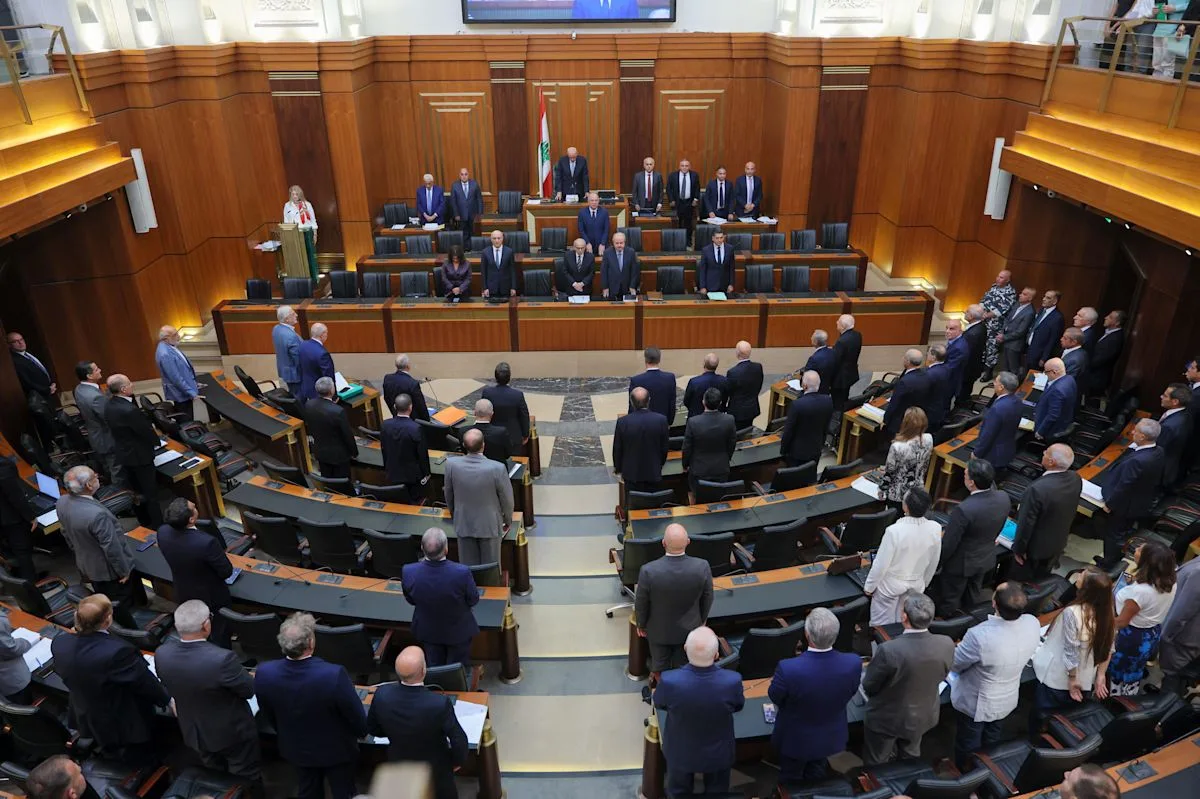
One day after fully abolishing the death penalty, Lebanon did something almost as consequential and far more divisive: on August 12 2026, the Lebanese Parliament passed the contentious General Amnesty Law (GAL) through a majority vote.
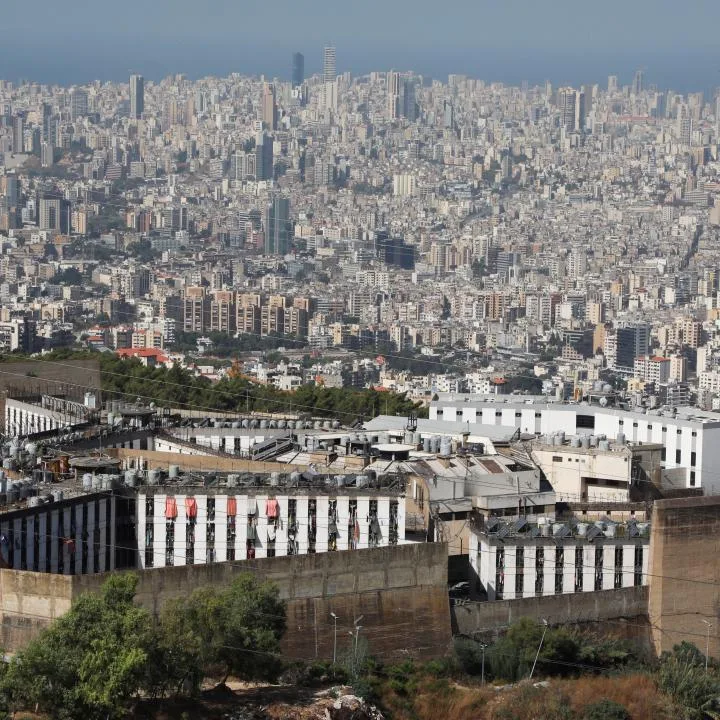
Its adoption is backed by the urgent humanitarian aim to reduce prison overcrowding in Lebanon’s correctional units. The country’s prisons, including its largest and most notorious detention facility “Roumieh”, surpass 300 percent of their capacity. Amongst the captives, over one third are still awaiting trial, and around 1200 are imprisoned solely based on security tips.
Prisoners are also subjected to dreadful conditions of incarceration: Abu Yousef*, an inmate of Roumieh, described to Qantara, “drug use and sexual assault became so normalised that they are now part of our daily life”.
The severe overpopulation and the harsh circumstances led to the death of 48 prisoners in 2025 alone. Lebanon has historically attempted to implement amnesty laws to right past wrongs such as prolonged trials, pre-trial detentions and unfair judgements that still define the reality of many prisoners today.
While the GAL addresses several humanitarian concerns, its application remains heavily contested: in a country shaped by war, history and religion, the matter of pardon exposes political and sectarian tensions that extend far beyond the victims and their families.
The GAL applies to offences committed before 1 March 2026, covering every degree of involvement in a crime. It wipes out public prosecution and criminal sentences alike, whether they were rendered in person or in absentia.
Fourteen categories of offenses sit outside its scope, including premeditated murder, terrorism against civilians or security personnel, rape, sexual assault, and large-scale corruption. For all other offenses, a “death sentence” shrinks to 28 years of imprisonment, a life sentence to 17 years, and other sentences by a third.
Because the law counts each “prison year” as nine months rather than twelve, that life sentence amounts to roughly 12 years and nine months served. Detainees held for at least 12 years without a judgement can now walk free while their trial continues.
In Lebanon, where law and politics are intertwined, the GAL emerged from years of hard bargaining between rival factions. Shia politicians advocated for amnesty in certain drug offences, particularly cannabis cultivation in Baalbek and Hermel.
Sunni politicians fought for the release of Islamist detainees, arguing their sentences were unfairly handed down when Hezbollah held greater political power and influence over the judiciary. Many Sunni lawmakers now claim that the exclusion from amnesty for “terrorism acts against civilians, military, or security personnel" deliberately targets Islamist prisoners, denying them equal treatment.
Christian parties, meanwhile, pressed for the return of Lebanese families who fled to Israel after the collapse of the South Lebanon Army (SLA).
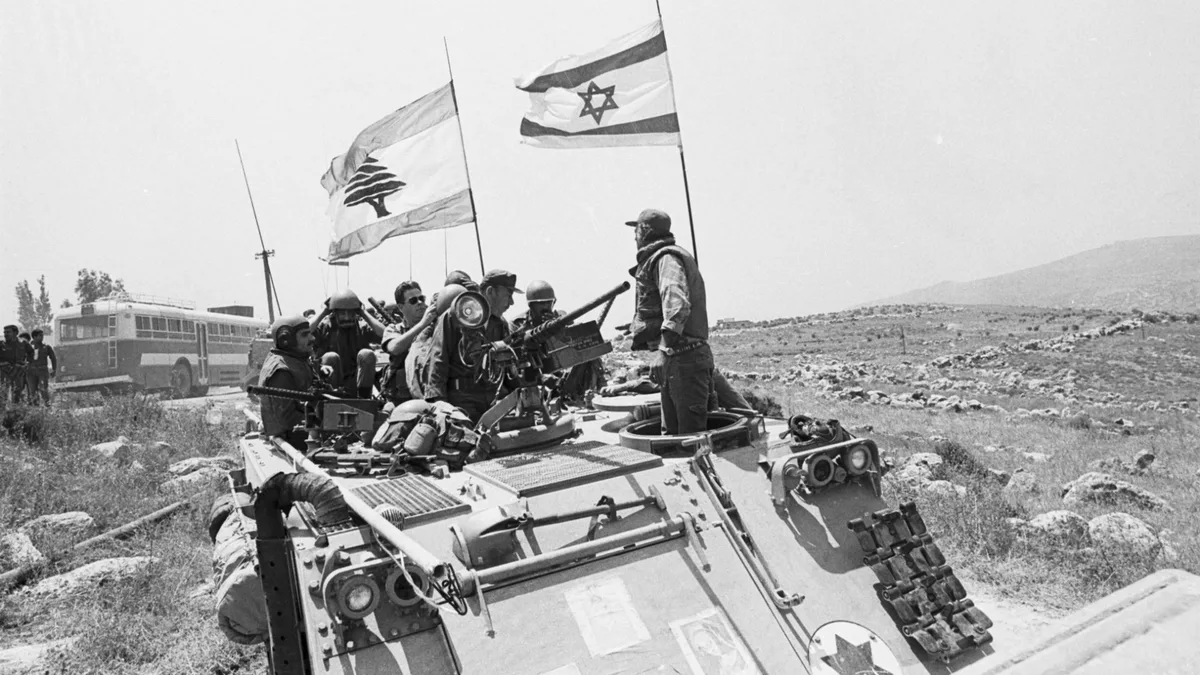
Few demands carry as much controversy as the matter of amnesty for former members of the SLA.
Its roots stretch back to the civil war: formed under Israeli supervision, the militia fought alongside Israeli forces until their withdrawal from Lebanon in 2000. After its collapse, thousands of Lebanese accused of being tied to the pro-Israel faction fled to the Jewish state, fearing legal punishment from Hezbollah or the Lebanese Authorities.
The GAL does not explicitly name the SLA, but its exclusion for “treason, espionage and offences involving unlawful relations with the enemy” settles part of the question since these charges apply to any member who fought in the militia.
However, a carve-out in the same clause grants amnesty to the wives and children of former fighters, while the fighters themselves remain excluded. In practice, the law draws a hard line between a fighter and an inactive participant, leaving Lebanon’s oldest exile question only partially addressed.
![Lebanese mourners carry the coffin of First Lieutenant George Bou Saab on June 25, 2013 [Getty]](/responsive/c1226ddb29c5648c08488bfb-1200.webp)
The GAL has been severely criticized for its implications, reducing sentences even in cases exempted from blanket amnesty. The law's compatibility with human rights is also in question as it poses considerable legal risks.
For example, an individual convicted for rape and granted 6 or 7 years in prison could walk free in much less time with the one-third sentence reduction and the prison year conversion.
Moreover, the GAL defines the conditions of amnesty, which is meant to represent a narrow and exceptional outcome. Yet its provisions retain a broad character that complicates uniform application, granting judges wide discretion in interpretation.
This could lead to similar cases ending in different outcomes, undermining the credibility of the legal system. Clauses permitting the immediate release of certain prisoners without a judgement blur the separation of powers, overreaching into judicial authority.
Above all, the strongest criticism concerns the lack of consideration towards the victims and their families. A general amnesty paves the way for the alteration or complete erasure of criminal punishment without ever consulting those it affects most.
This tension surfaced in August through Oneel Bou Saab, whose father, Lieutenant George Bou Saab, was killed in 2013 while serving in the Lebanese Armed Forces during clashes with an extremist group in Sidon.
His daughter was left distraught by the law’s passing, which commuted a death sentence linked to her father’s killing to a far shorter term overnight. She understands the injustice of unfair and prolonged trials but warns that “we can’t fix one injustice by committing a bigger one.”
The backlash did not end with Oneel’s warning. On 10 September, the Constitutional Council provisionally suspended the application of the GAL, preventing it from producing legal effects until judges review its compatibility with the Constitution.
But the pause does not solve the tensions exposed by the GAL. Every single political group pushes for certain outcomes, and the legal text fails to provide a solution that fits all.
While detainees, exiles and victims are still waiting, the question that the legal system is forced to confront remains unanswered: what, then, is left of the legal system when punishment becomes the exception and amnesty the status quo?
SOURCES
Chehayeb, Kareem, and Fadi Tawil. 2026. “Lebanon Passes a Controversial General Amnesty Law.” Associated Press, August 12. https://apnews.com/article/lebanon-general-amnesty-islamists-parliament-c28161795512a8d93864688b5a9fa9fa
Sarhal, Alaa. 2026. “Lebanon Amnesty Law: Who Benefits and Why Is It Controversial?” The New Arab, September 4. https://www.newarab.com/features/lebanon-amnesty-law-who-benefits-and-why-it-controversial
Prison Insider. 2022. “Lebanon: Prisons in 2022.” Prison Insider, April 26. https://www.prison-insider.com/en/countryprofile/liban-2022
Najjar, Abdalla. 2026. “General Amnesty Law: A Solution to Lebanon’s Prison Crisis?” Qantara.de, July 28. https://qantara.de/en/article/general-amnesty-law-solution-lebanons-prison-crisis
This Is Beirut. 2026. “Lebanon Approves General Amnesty Law, First Since 1991.” This Is Beirut, August 12. https://thisisbeirut.com.lb/news/politics/lebanon-approves-general-amnesty-law-first-since-1991
National Human Rights Commission–Lebanon. 2026. “Law No. 70 Granting a General Amnesty and Exceptionally Reducing Certain Sentences.” National Human Rights Commission–Lebanon, September 4. https://nhrclb.org/en/archives/8339
Khalil, Sarah, and Rita El Jammal. 2026. “Lebanon’s New Amnesty Law Opens Door for Lebanese Returnees from Israel.” The New Arab, August 13. https://www.newarab.com/news/lebanons-new-amnesty-law-opens-door-returnees-israel
Libnanews. 2026. “Lebanon: General Amnesty Suspended.” Libnanews, September 10. https://en.libnanews.com/lebanon-general-amnesty-suspended/
Al Jazeera Staff and AFP. 2026. “Lebanon Passes Long-Sought Amnesty Law, a Day After Death Penalty Repeal.” Al Jazeera, August 12. https://www.aljazeera.com/news/2026/8/12/lebanon-passes-long-sought-amnesty-law-a-day-after-death-penalty-repeal